 (813) 563-7540
 Login



 Trustpilot
Celebrity autographs can be meaningful collectibles, but they should not be treated as predictable investments. They may be worth collecting when they create a personal connection to a performer, athlete, film, album, team, or cultural moment you care about. A signed item does not come with a guaranteed resale result, and a famous name alone does not make every object a good fit for your collection.
A better question is: would you still be pleased to own and display this piece if you never sold it? If the answer is yes, compare the item’s format, condition, documentation, seller terms, and total cost. Those practical details help you choose an item you can understand, care for, and enjoy.
Why People Collect Celebrity Autographs
Signed memorabilia appeals to collectors for different reasons:
- Personal connection: A signature can represent an artist, athlete, actor, or creator whose work has mattered to you.
- A specific memory: The item may connect to a concert, season, film, television series, convention, or family tradition.
- Display: A signed album, photo, jersey, poster, script, or guitar can become the focal point of a room.
- A collecting theme: Some people build around one performer, a franchise, an era, a genre, a team, or a type of object.
- Gifting: A carefully chosen signed piece can reflect the recipient’s interests more closely than a general collectible.
- Cultural history: Memorabilia can help tell the story of an influential career or a work that reached a broad audience.
None of these reasons requires a prediction about future prices. The collection can be successful if it is coherent, accurately documented, responsibly purchased, and enjoyable to own.
Start With the Celebrity or Start With the Story
A celebrity-focused collection might follow one person across different phases of a career. A story-focused collection may bring several names together around a film, team, genre, tour, award, or era.
Both approaches can work. Before shopping, write one sentence that describes what belongs in your collection. For example:
- Albums and photos connected to artists I have seen live
- Signed items from one favorite film franchise
- Memorabilia from a team’s championship seasons
- Performers who shaped a particular music genre
- Cast-signed pieces from television series my family watches together
- One display-quality item from each favorite director or actor
This simple rule reduces impulse purchases. An item may be impressive without fitting the collection you actually want.
The Celebrity’s Name Is Only One Part of the Item
Two objects associated with the same signer can offer very different experiences. A musician’s autograph might appear on an album jacket, a guitar, a photo, a lyric sheet, or a concert poster. An actor may sign a portrait, script, poster, prop-style display, or character image. An athlete may sign a jersey, ball, helmet, card, or photograph.
Consider the relationship between the signer and the object:
- Does the format connect naturally to the person’s work?
- Does the image, album, team, character, or production matter to you?
- Is the item tied to a particular period you care about?
- Does the display identify the signer clearly enough for your intended space?
- If several people are shown, which of them actually signed?
A relevant object often tells a stronger personal story than a generic surface carrying the same name. That does not make one format universally superior; it helps you choose deliberately.
Choose a Format That Fits Your Space
Display plans should influence the purchase before checkout, not after delivery.
Signed Photos
Photos are flexible and available in many dimensions. They can highlight a portrait, performance, character, team, or cast. Confirm the image size, finish, signed surface, and whether the stated dimensions include a mat or frame.
Signed Albums and CDs
Music formats connect the autograph to a specific release. Confirm whether the jacket, booklet, insert, art card, label, or disc is signed and whether all shown items are included. The signed vinyl, CD and photo format guide explains the practical differences in more detail.
Signed Posters and Scripts
Posters create visual impact but require adequate wall space and careful framing. Scripts can provide stronger production context, but the signed page, edition, completeness, and binding should be clear.
Signed Jerseys and Equipment
Jerseys, balls, helmets, gloves, bats, and other sports items may require deep frames, stable stands, or cases. A signature on a retail or replica item does not establish game use. Any claim about use should be stated separately and supported by relevant documentation.
Signed Guitars and Other Large Objects
Large objects make statement displays and require planning for wall support, cases, delivery, and safe handling. A signed instrument is not automatically artist-owned or stage-played. Confirm the object’s make, model, condition, included accessories, and the scope of any provenance claim.
You can compare current formats across Autographia’s music memorabilia, movie memorabilia, and sports memorabilia collections. Product details and available documentation vary by item.
Current Movie and TV Celebrity Memorabilia Examples
The examples below feature widely recognized actors and major film franchises across replica displays, signed photographs, and scripts. Inventory can change, so review each product page for exact details.
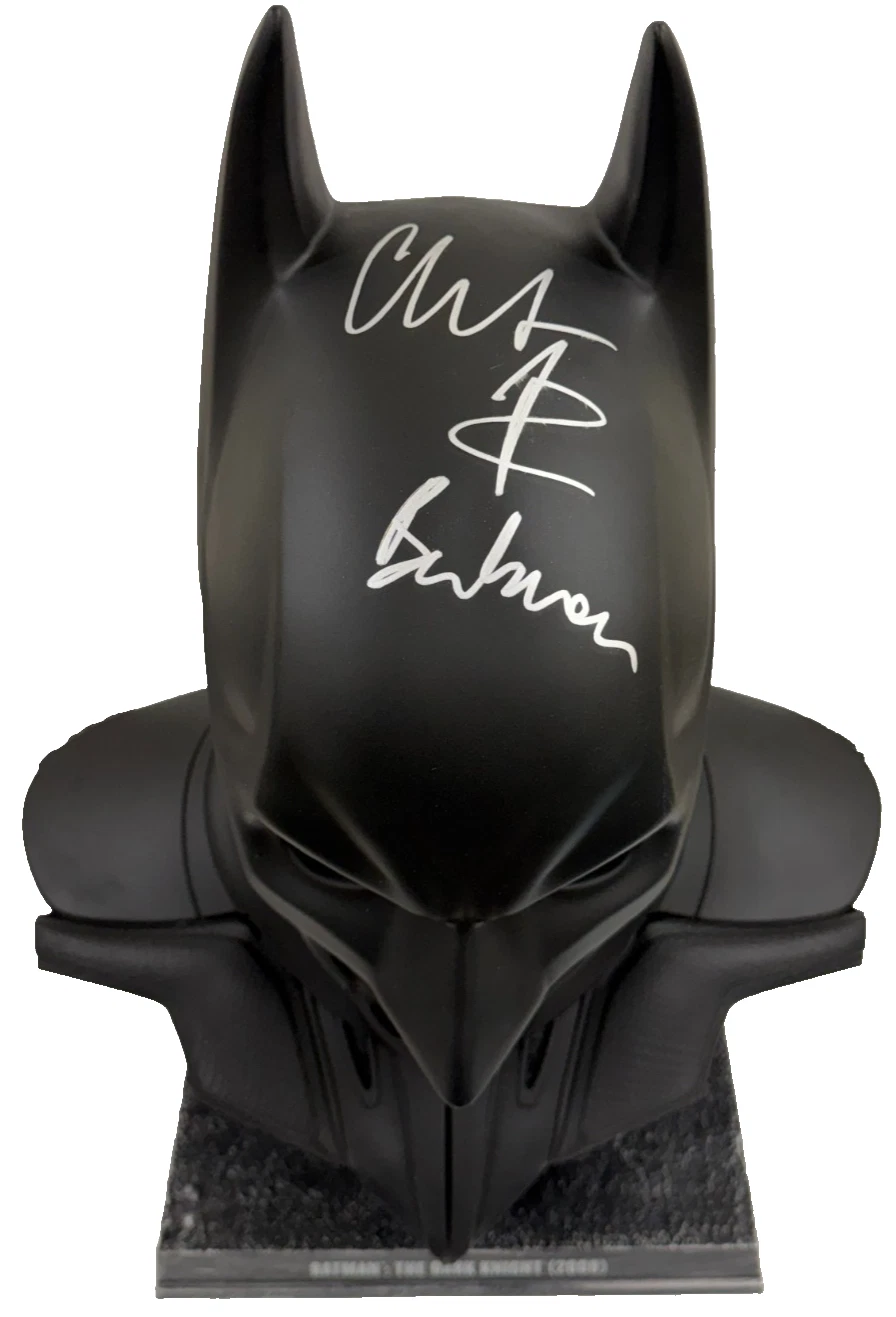
Christian Bale Signed The Dark Knight Batman Cowl Replica
Full-size 1:1 cowl replica
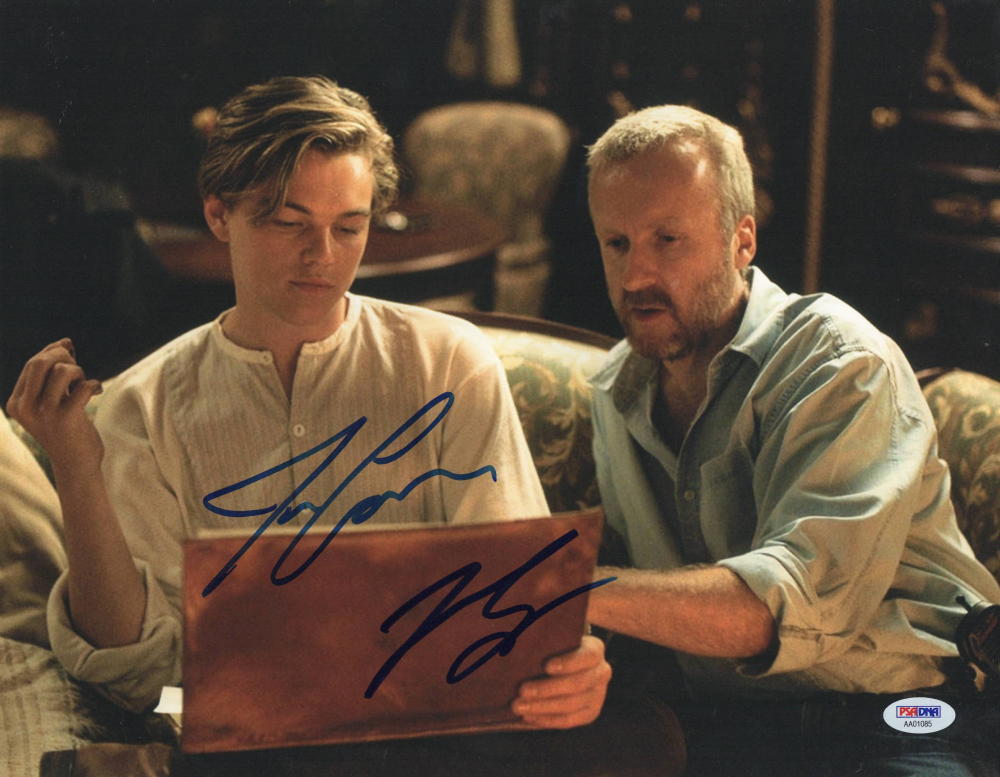
Leonardo DiCaprio and James Cameron Signed Titanic Photo
11-by-14-inch photograph
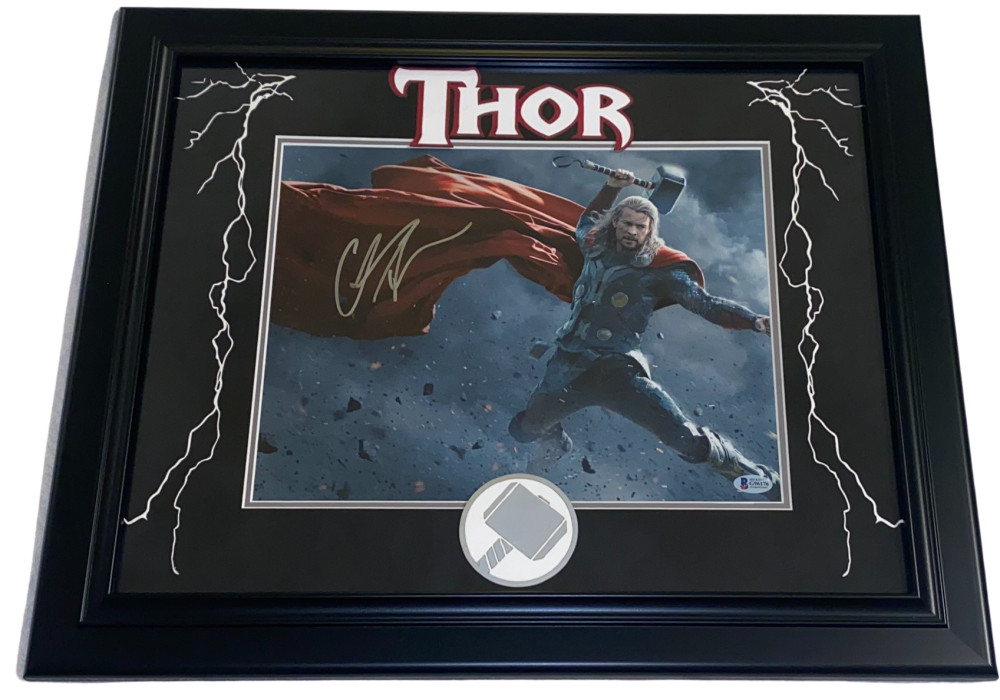
Chris Hemsworth Signed Thor Framed Photo
Framed 11-by-14-inch photograph
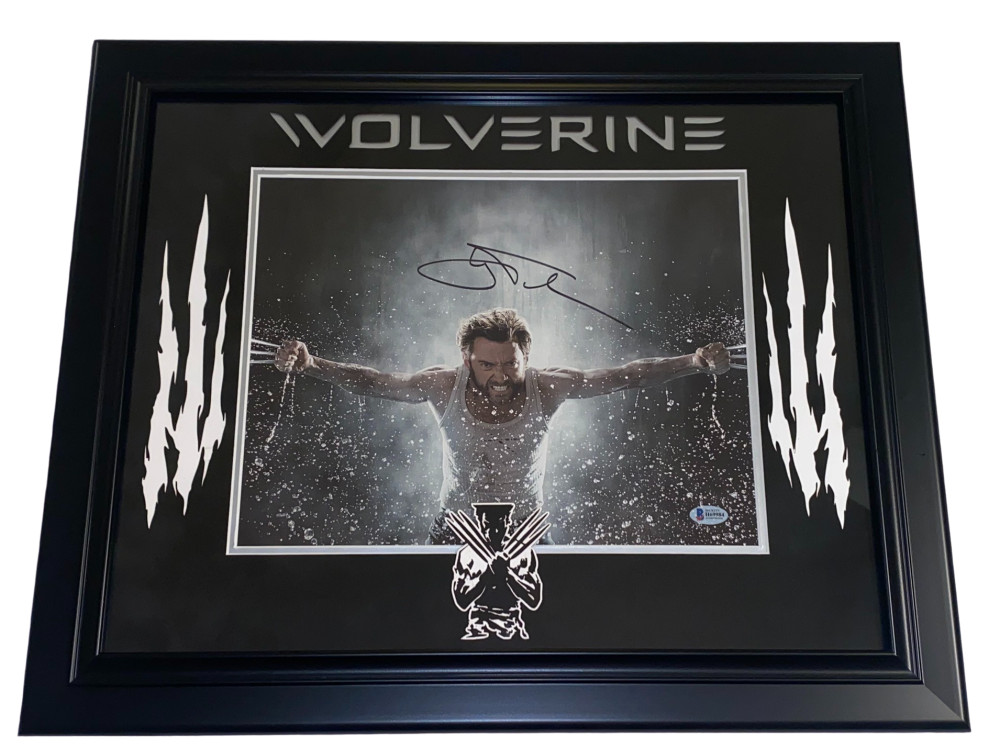
Hugh Jackman Signed Wolverine Framed Photo
Framed 11-by-14-inch photograph
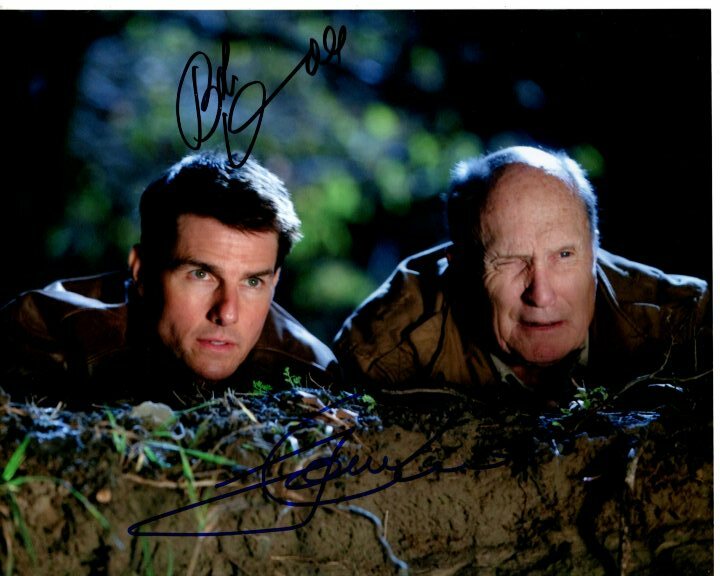
Tom Cruise and Robert Duvall Signed Jack Reacher Photo
Dual-signed movie photograph
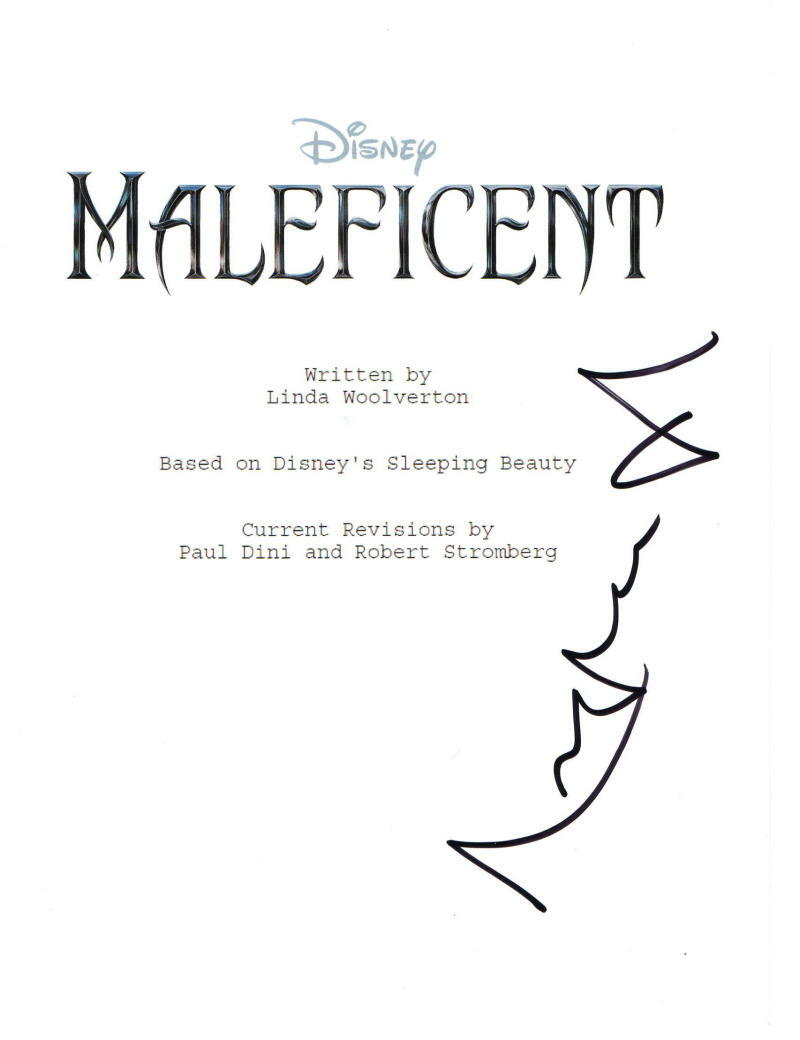
Angelina Jolie Signed Maleficent Full Script
Full movie script
Decide What Condition You Are Comfortable With
Condition is not simply “good” or “bad.” Older memorabilia can show honest handling and still suit a collection. A newer display item may be expected to have cleaner corners and surfaces. What matters is that the description and photographs give you enough information to make the choice.
Review:
- The autograph’s visibility, placement, and any fading or smudging
- The front, back, edges, and corners of the signed item
- Scratches, stains, creases, tears, cracks, or discoloration
- Missing discs, inserts, cases, labels, hardware, or other included items
- Evidence of prior mounting, trimming, tape, glue, cleaning, repair, or restoration
- Condition of the frame, glazing, mat, stand, or display case
- Whether the item can be removed from its display without damage
Ask for additional photographs if the listing does not show a relevant area. Keep those images and the written description with your order records.
Understand the Documentation for That Specific Item
Documentation should be evaluated at the item level. Do not assume every product includes the same certificate, provenance, identifier, or third-party authentication.
Before buying, identify:
- Who is represented as the signer? For group items, confirm each named signer.
- What signed item does the document cover? A document may relate to one photo or insert within a larger framed display.
- Who issued the document? Distinguish seller documentation from an independent third-party opinion.
- Does an item-specific identifier appear? If so, understand where it is recorded and how it corresponds to the paperwork or object.
- What provenance is included? Event details, prior invoices, permitted signing photos, or ownership records may add context when they clearly relate to the specific item.
- What is not being claimed? Signature documentation does not automatically establish that an object was worn, played, owned, or used by the signer.
Read what a Certificate of Authenticity should contain before comparing paperwork. The broader signed memorabilia buyer’s guide includes a complete pre-purchase checklist.
Provenance Adds Context, but It Should Be Specific
Provenance is an item’s documented history. It may include a record of who obtained it, event information, prior ownership, original invoices, correspondence, tickets, or a photograph of a signing.
The important question is whether the evidence connects to the item. A general image of a celebrity at an event may show that a signing occurred without proving that a particular object was present. A useful description should distinguish known facts, supporting records, and any gaps.
Not every older item comes with a complete chain of ownership. That limitation can be stated honestly. Vague language should not be allowed to do the work of documentation. For a deeper explanation, see why provenance matters when buying signed memorabilia.
Set a Budget Without Chasing a Famous Name
A collecting budget should account for the full cost of ownership:
- The item
- Tax and any delivery charges
- A frame, stand, or display case
- Archival storage materials
- Wall mounting or professional installation
- Insurance decisions for your household or collection
- Space needed to store packaging and documentation
Decide your maximum before browsing. Then compare items by personal relevance, condition, presentation, and the clarity of their documentation. A smaller item that closely matches your interests may be more satisfying than a larger purchase chosen mainly because the signer is widely known.
Avoid pressure to buy merely because a listing is described as rare, exclusive, or available for a limited time. Those terms do not answer practical questions about the specific object.
Review the Seller, Shipping Plan, and Return Terms
A collectible is also a transaction. Seller accountability matters because you may need clarification before purchase or help after delivery.
Look for:
- A clear business identity and contact method
- Photographs and a description that match the item being offered
- Written authenticity and return terms
- A clear explanation of what documents accompany the item
- A shipping policy that addresses tracking, packaging, insurance, and damage
- A process for reporting missing paperwork, transit damage, or an item that differs from the listing
- Secure payment and an itemized order record
For large or fragile memorabilia, ask whether the piece will be double-boxed, whether glass or acrylic is used, whether a signature is required at delivery, and how quickly damage must be reported.
Read exclusions carefully. Custom framing, personalized products, clearance items, and international orders may have different return conditions. Save the listing and policy that applied when you purchased.
Build a Collection Slowly and Keep Good Records
You do not need to fill a wall immediately. A slower approach gives you time to refine your interests and learn what sizes, formats, and presentation styles work in your space.
For every purchase, save:
- The product listing
- Receipt and order confirmation
- Seller correspondence
- Photographs at delivery
- Condition notes
- Certificates, letters, and provenance records
- Frame or conservation details, if applicable
Label physical and digital records so they can be matched to the item. If you move, reframe, repair, or conserve a piece, add that information to the record rather than relying on memory.
Care for the Collection You Build
Keep signed memorabilia out of direct sunlight and away from damp rooms, heat sources, and abrupt environmental changes. Use appropriate archival sleeves, acid-free backing, reversible mounting, and stable cases or stands. Handle paper and glossy photographs by the edges with clean, dry hands.
Do not apply household cleaners, coatings, adhesive film, or tape to a signed surface. If an item needs treatment, consult a qualified framer or conservator who understands the object and the medium.
A collection is worth building when it reflects your interests and remains manageable to document, display, and care for. The famous name may attract your attention, but the complete item and your reason for wanting it should make the decision.
Frequently Asked Questions
Are celebrity autographs worth collecting?
They can be if the signer, item, and story matter to you. Choose memorabilia you would be happy to own without relying on a future resale result. Review the format, condition, documentation, seller terms, and total cost before purchasing.
Which celebrities should a beginner collect?
Start with performers, athletes, creators, teams, or franchises you already know and enjoy. Familiarity helps you define a focused collection, but it does not replace reviewing the specific item’s description, documentation, and seller policies.
Is a signed photo, album, jersey, or guitar the best format?
There is no universal best format. Photos are flexible, albums connect to a release, jerseys and equipment suit sports displays, and guitars or large posters create a bigger visual presence. Choose according to your space, budget, collecting theme, and the details of the individual item.
Does a more famous signer automatically make an item more collectible?
No. The underlying object, condition, signature placement, completeness, documentation, and connection to your collecting goal all matter. A lesser-known name tied closely to a favorite work may be more meaningful to you than a generic item from a global celebrity.
Does every celebrity autograph come with third-party authentication?
No. Documentation varies by item and seller. Review the product page for the specific certificate, letter, identifier, or provenance that will be included. Ask for clarification if the listing does not distinguish seller documentation from a third-party opinion.
What should I ask before buying a multi-signed item?
Ask for a list of every identified signer, the signed item or surface, clear photographs, condition details, and the documentation associated with the group of signatures. Do not assume everyone pictured, every cast member, or every member of a lineup signed the item.
How should I display celebrity memorabilia safely?
Use appropriate archival materials, reversible mounting, stable hardware, and UV-filtering glazing where suitable. Keep the item away from direct sunlight, moisture, and heat. Confirm the final dimensions and weight before planning wall placement.
What records should I keep after purchase?
Keep the listing, receipt, seller messages, delivery photos, condition notes, certificates, provenance records, and any framing or conservation information. Store digital backups and label everything so it remains connected to the correct item.