 (813) 563-7540
 Login
Login



 Trustpilot
What Is a Certificate of Authenticity for Autographs?
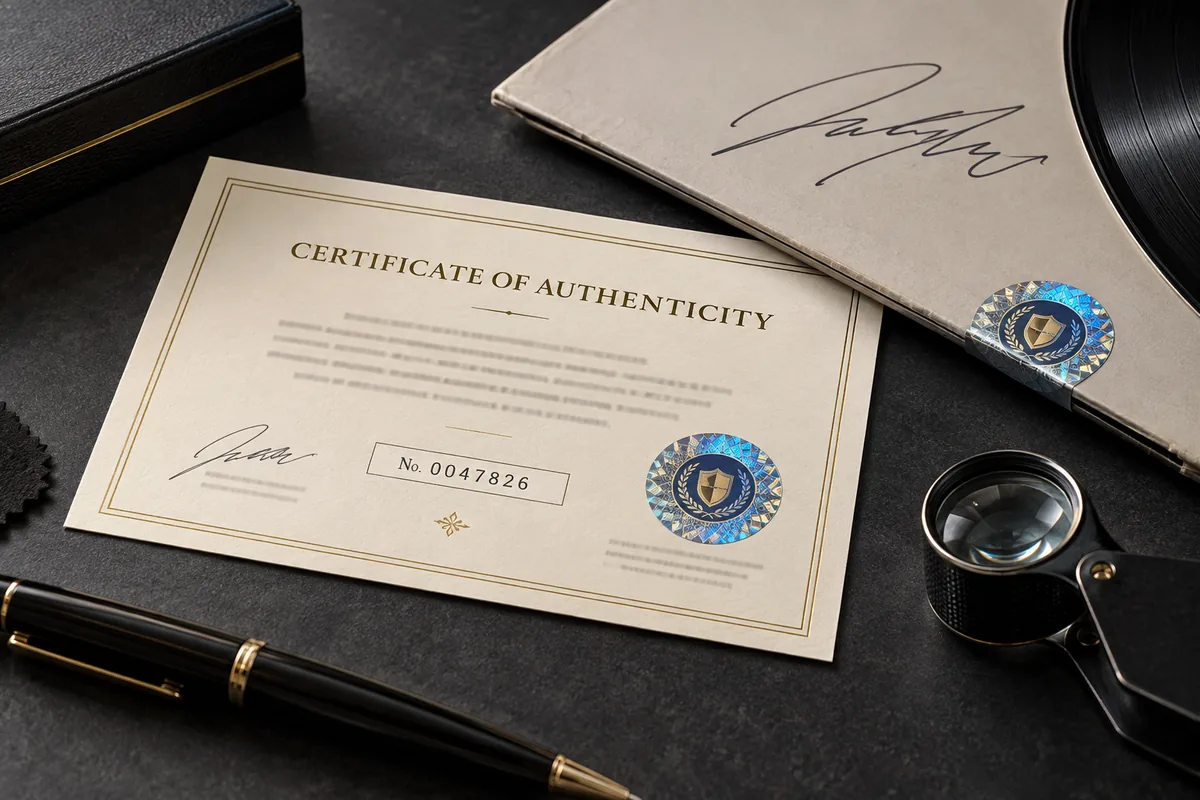
A Certificate of Authenticity, commonly called a COA, is a document that records an issuer’s conclusion that an autograph is genuine. A useful COA identifies the signer and signed item clearly, names the organization responsible for the opinion, and gives the buyer a practical way to connect the document to the item.
The certificate matters, but the paper alone does not authenticate a signature. Its credibility depends on who issued it, how the signature was examined, and whether its identifying details can be verified. A professional-looking card from an unknown source should not carry the same weight as documentation from an established seller or independent authentication service.
- A COA records an authentication opinion and identifies the signed item.
- A certification number or matching hologram can connect the document to the physical piece.
- Independent authentication, seller documentation, and provenance are related but distinct forms of evidence.
- A signature COA does not automatically prove that the signer owned, wore, played, or used the underlying item.
What a Credible Autograph COA Should Include
There is no single layout used by every seller and authentication company. Some certificates are compact cards, while others are detailed letters. The format matters less than the information and accountability behind it.
| COA Detail | Why It Matters |
|---|---|
| Signer’s name | States whose autograph was examined. |
| Item description | Identifies what was signed, such as an album, jersey, card, book, document, or piece of equipment. |
| Certificate or serial number | Provides a unique reference for the authentication record. |
| Issuer’s name and contact information | Shows who stands behind the authentication opinion. |
| Matching item identifier | Connects the certificate to the physical piece when a hologram or label system is used. |
| Verification instructions | Explains where and how to check the certification record. |
Some records also show the date of authentication, an item image, the type of examination, or whether a representative witnessed the signing. Those details can be useful, but their availability varies by issuer and program.
Why the COA Issuer Matters
A certificate is only as dependable as the organization issuing it. Before relying on one, look for a real business identity, a clear authentication policy, accessible contact information, and a verification process that can be checked independently.
Many signed collectibles carry opinions from third-party services such as JSA, Beckett, PSA/DNA, ACOA, or Roger Epperson REAL. Their programs and documentation differ, so the product listing and certificate should identify the specific service attached to that item. A recognizable company name is helpful, but the certificate number and item description still need to match.
Every signed item sold by Autographia is examined before listing and includes an Autographia Certificate of Authenticity with matching numbered, tamper-proof holograms on the item and certificate. The number can be checked through Autographia’s hologram verification page. When an item also includes third-party authentication, that documentation is identified in the individual listing. More information is available on the Autographia authenticity page.
COA, LOA, Witnessed Authentication, and Provenance
Certificate of Authenticity
A COA is usually a concise document or card identifying the signer, item, issuer, and certification number. It may be issued by a seller, dealer, auction company, or independent authentication service.
Letter of Authenticity
A Letter of Authenticity, or LOA, is generally a more detailed document. It may describe the item, examination, and authentication opinion at greater length. An LOA is not automatically stronger than a COA simply because it is longer. The issuer and supporting record remain the important factors.
Witnessed Authentication
Witnessed programs document that an authorized representative observed the signature being applied. The certificate should state that the autograph was witnessed rather than only examined afterward.
Provenance
Provenance describes an item’s documented history. Receipts, signing-event records, auction documentation, estate paperwork, or other records may help establish where an item came from. Provenance can support an authentication opinion, but it serves a different purpose from signature analysis.
How to Verify a Certificate of Authenticity
Verification should connect the certificate, the physical item, and the issuer’s record. Use this process before relying on a COA:
- Identify the issuer. Confirm that the company named on the certificate has an official website and a working contact method.
- Locate the certification number. Check the COA and the corresponding hologram or label on the item when the issuer uses one.
- Use the official verification tool. Enter the number on the issuer’s own website rather than a link supplied by an unknown marketplace seller.
- Compare the record. The signer and item description should correspond with the piece being offered.
- Resolve discrepancies before buying. Contact the issuer or seller if the number is missing, the record cannot be found, or the details do not match.
Older certificates may predate a public online database. That does not automatically make them invalid, but it places more importance on contacting the issuer and reviewing the rest of the documentation.
Why Matching Holograms and Tamper-Evident Labels Matter
A matching hologram system helps tie one certificate to one item. The label’s appearance or material does not prove authenticity by itself. What matters is the unique identifier, the matching record, and the accountable organization behind it. A decorative sticker with no searchable or confirmable record offers little useful evidence.
How to Get a Certificate of Authenticity for an Autograph
If you already own an autograph without supporting documentation, start by choosing an established authentication service that evaluates the relevant category. Autographia’s guide to choosing an autograph authentication service explains what to compare. Review the provider’s current submission rules, accepted item types, fees, packaging instructions, insurance options, and expected processing time on its official website.
The usual process begins with submitting the item and the required form. An examiner then compares the signature with known examples and evaluates the item. If the service authenticates the autograph, the returned documentation may include a numbered certificate, label, database record, or detailed letter. Submission does not guarantee authentication.
If you are buying rather than submitting an item, check which documentation is already included before ordering. Autographia’s current signed memorabilia collection identifies the signer, included authentication, and purchase details on each product page. You can also browse authenticated sports memorabilia, music memorabilia, and movie memorabilia.
Red Flags When Reviewing an Autograph COA
- The certificate does not name the signer or describe the item.
- The certification number is missing, duplicated, or unrelated to the item.
- The issuer has no traceable business information or working contact method.
- The seller refuses to provide clear images of the certificate and matching item identifier.
- The online record shows a different signer or item type.
- The certificate uses broad guarantee language without identifying what was examined.
A mismatch does not always prove deliberate wrongdoing, since data-entry and labeling errors can occur. It does mean the issue should be resolved before the certificate is treated as reliable.
What an Autograph COA Does Not Prove
Signature authentication addresses the autograph. It does not automatically establish every claim made about the object underneath it. A COA for a signed jersey confirms an opinion about the signature, but it does not by itself show that the signer wore the jersey in a game. The same distinction applies to instruments, clothing, props, equipment, and other memorabilia.
Ownership, use, event history, and other provenance claims require separate documentation. Condition is also a separate consideration. Read the complete product description and confirm exactly what the certificate covers.
Examples of Memorabilia With Authentication Documentation
Every signed item sold by Autographia includes an Autographia Certificate of Authenticity and matching numbered, tamper-proof holograms. The examples below also identify item-specific third-party authentication in their listings.
Review the documentation shown on each listing before buying. Authentication attached to one item should not be assumed to apply to another.
JSA COA + Autographia COA
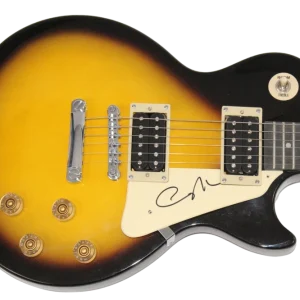
Listing identifies JSA COA documentation.
View Item & Authentication DetailsBeckett BAS Witness + Autographia COA
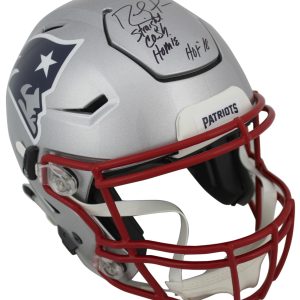
Listing identifies BAS Witness authentication.
View Item & Authentication DetailsJSA COA + Autographia COA
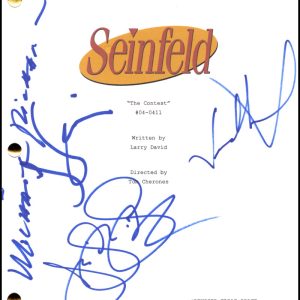
Listing identifies JSA COA documentation.
View Item & Authentication DetailsCertificate of Authenticity FAQs
What does COA mean for an autograph?
COA means Certificate of Authenticity. It is a document identifying an autograph and recording the issuer’s opinion that the signature is genuine.
Is a COA enough to prove an autograph is authentic?
A COA is useful only when the issuer is credible and the certificate can be connected to the correct item. Check the certification number, item description, matching identifier, and issuer before relying on it.
How do I verify an autograph COA number?
Use the verification tool on the issuer’s official website and compare the returned signer and item description with the physical piece. Contact the issuer if the number is missing or the details differ.
How do I get a Certificate of Authenticity for an autograph?
Choose an established authentication service that evaluates the relevant category and follow its current submission instructions. The service will examine the autograph and issue its opinion, but submission does not guarantee authentication.
What is the difference between a COA and an LOA?
A COA is usually a concise certificate, while an LOA is generally a more detailed letter describing the item and authentication opinion. The issuer’s credibility matters more than the document’s length.
Does an autograph COA prove the signer owned or used the item?
No. A signature COA covers the autograph unless it explicitly states otherwise. Claims about ownership, wear, performance, production, or event use require separate provenance.
Questions about the authentication included with an Autographia listing? Contact Autographia before ordering and include the product link.