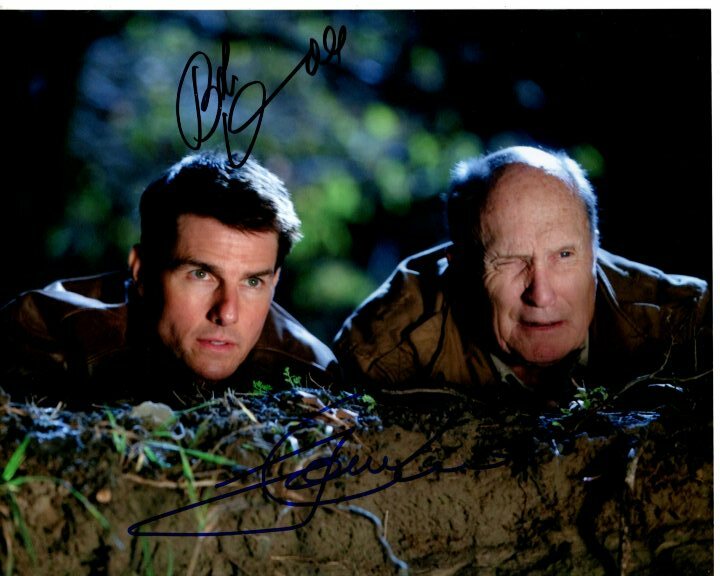
Excellent
4.7 out of 5 Stars
4.7 out of 5

Nicholas Hoult Signed Funko Pops: COAs and Item Details

Nicholas Hoult’s roles give collectors more than one Funko Pop direction. A Lex Luthor figure connects to Superman, while a Beast figure connects to his work as Hank McCoy in the X-Men films. Although both can carry Nicholas Hoult’s autograph, the character, box, figure number, inscription, signed location, documentation, and presentation can differ from one listing to another.

This buyer guide explains how to compare those details. It does not treat every Nicholas Hoult item as interchangeable, and it does not assume that every listing comes with the same paperwork or arrives in the same condition.

Start with the exact product examples linked below, then open the individual product page for the figure you are considering. The product page should be your final source for the character, signed item or surface, condition, included accessories, documentation, and current availability.

Choose the character connection first

A signed Funko Pop is both an autograph and a character collectible. Decide which side of Nicholas Hoult’s screen work you want the piece to represent.

Lex Luthor from Superman

A Lex Luthor figure links Hoult’s autograph to his portrayal of the DC character. Autographia’s available inventory included a Nicholas Hoult signed Lex Luthor Funko Pop and other Lex Luthor figure listings when this guide was prepared.

Check the exact character name and figure number shown on the box. Similar product titles can refer to separate physical items, different signature placements, different documentation, or different box condition.

Beast from X-Men

A Beast figure represents Hoult’s work as Hank McCoy. Current inventory also included a Nicholas Hoult signed and inscribed Beast Funko Pop.

If a listing mentions an inscription, read the exact product description and examine the images to understand what additional wording appears on the box. Do not assume that a similar Beast figure carries the same inscription.

Confirm where the autograph appears

On a boxed Funko Pop, the autograph is often placed on the clear window or another part of the packaging rather than on the vinyl figure. The signed location matters because it affects how the piece is displayed and handled.

Review the listing for:

  • the exact side or panel that carries the autograph;
  • whether the signature is on the box, window, figure, or a separate insert;
  • whether an inscription is present;
  • whether the original figure and internal insert are included; and
  • whether a protective case is included or merely shown for presentation.

Do not infer these details from another listing of the same character. Each product page describes a separate item.

Match the box and figure details

Funko Pop packaging contains information that helps identify the product format. Confirm the character name, franchise branding, and figure number shown in the listing. Compare those details with the product title and description so you know what is included.

A character can have multiple releases, poses, costumes, or box designs. This guide does not attempt to catalog every edition. The practical goal is to make sure the photographs, title, and written description refer to the same boxed figure.

Also check whether the seller is offering:

  • a boxed figure;
  • a box without a figure;
  • a loose figure;
  • a signed box window or panel; or
  • a finished display containing the figure and other display elements.

The listing should make that scope clear.

Review box, window, insert, and figure condition

Condition is item-specific. A broad category statement cannot describe every box or figure.

For a signed Funko Pop, review the available images and notes for:

  • corner and edge wear;
  • creases, dents, or bowing in the box;
  • scratches, scuffs, or pressure marks on the clear window;
  • tears or lifting around flaps;
  • the condition and position of the internal insert;
  • visible marks on the figure; and
  • wear on any outer protector that is included.

Packaging can be especially important because the autograph may be on the box window. If a detail is hidden by glare or not shown clearly, ask for another image or written clarification before ordering.

Understanding authentication and COA wording

Documentation can vary by item. One Nicholas Hoult Funko Pop listing may name a particular third-party authenticator, while another may identify different paperwork or a different certification reference.

For the exact figure you are considering, check:

  1. the organization or seller named on the documentation;
  2. whether the listing shows or states a certification or reference number;
  3. whether the documentation describes Nicholas Hoult and the item shown; and
  4. whether the COA, letter, label, or other listed materials are included with the purchase.

A COA addresses the scope stated by its issuer. It does not automatically establish that the box was signed at a specific event, that the figure was handled by Hoult, or that the item has a production-use history. Any event or ownership statement should be made separately and supported for that individual item.

Autographia’s authenticity information provides general background. The individual product page should identify the documentation supplied with the specific Funko Pop you buy.

Inscribed and non-inscribed figures

Some collectors prefer a clean autograph, while others enjoy a character name or short inscription. Treat the inscription as an item detail, not as something shared by every copy of the figure.

If a listing is described as inscribed:

  • read the stated wording;
  • inspect where it appears in relation to the autograph;
  • confirm that the product images show the exact item; and
  • make sure the written description and photographs agree.

Do not assume that an inscription proves when or where an item was signed. Event history is a separate claim.

Funko Pop or signed script?

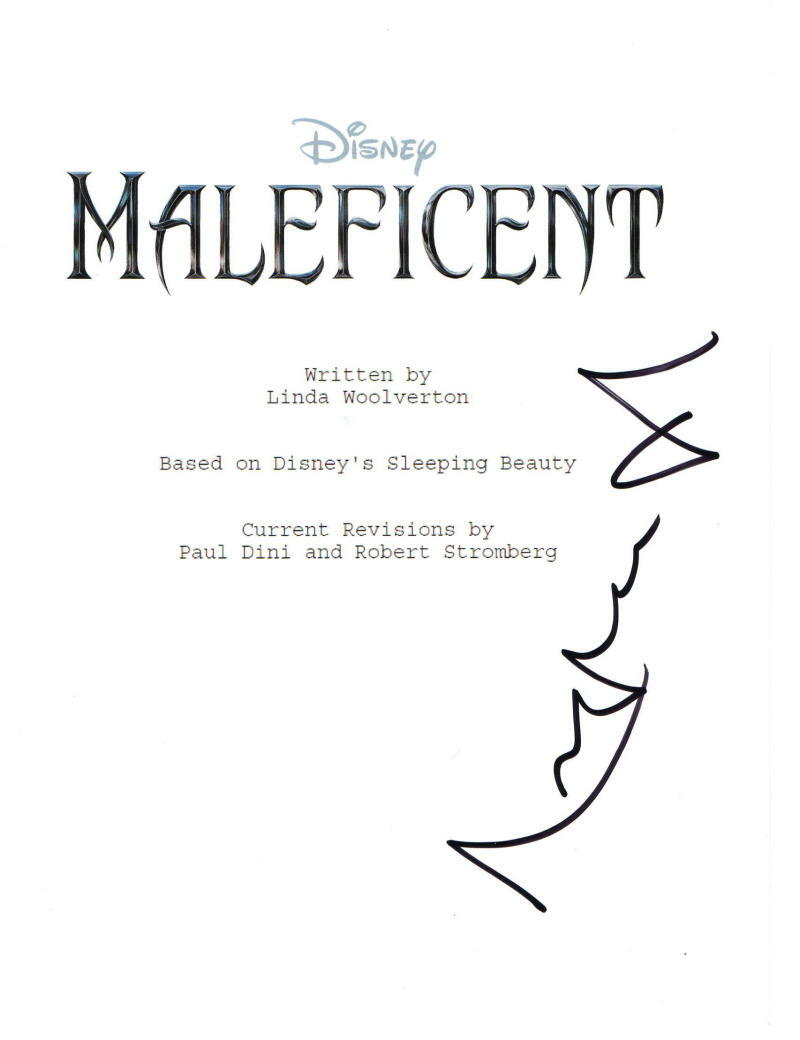
Autographia’s current Nicholas Hoult results also included scripts and transcript-style items connected to his screen roles. A Nicholas Hoult signed Superman script provides a story-focused alternative to a Lex Luthor figure. Other live results included X-Men: Days of Future Past and The Menu script formats.

The choice is mainly about presentation:

  • Funko Pop: character-led, three-dimensional, and compact enough for a shelf or display case.
  • Script or transcript: title-led, paper-based, and centered on the production or story.

A signed collector script is not necessarily a production-used script, shooting draft, or copy owned by Nicholas Hoult. Any production history should be separately stated and supported on the product page.

Display and care for a signed Funko Pop

Basic care can help protect the packaging and signed surface:

  • Keep the box away from direct sunlight and damp areas.
  • Avoid stacking heavy items on top of the packaging.
  • Lift the figure by supporting the box rather than pressing on the clear window.
  • Use a properly sized protector if you add one; do not force the box into a tight case.
  • Avoid tape, labels, or adhesive on the signed window or box.
  • Keep the item’s documentation in a safe place, with a record linking it to the correct figure.

Care protects the physical item. It is not a method for deciding who signed it.

Nicholas Hoult Funko Pop pre-purchase checklist

  • [ ] The character is Lex Luthor, Beast, or another role you intentionally selected.
  • [ ] The box title and figure number match the listing.
  • [ ] The signed location is clearly identified.
  • [ ] Any inscription is described and visible.
  • [ ] The listing states whether the box, figure, insert, and protector are included.
  • [ ] Box, window, insert, and figure condition have been reviewed.
  • [ ] The documentation supplied with this exact item is identified.
  • [ ] Any event, ownership, or production-history statement is separately supported.
  • [ ] The item is currently available.

Browse current Nicholas Hoult memorabilia

Use the exact Nicholas Hoult product pages linked in this guide to compare current figures and scripts. Confirm the character, item format, signed item or surface, condition, included materials, documentation, and availability before ordering.

Frequently asked questions

Which Nicholas Hoult Funko Pop characters can I look for?

Current inventory can include Lex Luthor from Superman and Beast from X-Men. Inventory changes, so open the exact product listings linked in this guide to confirm availability.

Where is a Nicholas Hoult Funko Pop usually signed?

The autograph may appear on the clear box window or another part of the packaging. Do not assume; confirm the exact signed location on the individual product page.

Does every Nicholas Hoult Funko Pop include the same COA?

No assumption should be made across listings. Documentation can vary by item. Review the product page for the COA, letter, certification reference, or other materials supplied with the exact figure.

What condition details matter on a signed Funko Pop?

Review the box corners, edges, flaps, clear window, internal insert, figure, and any included protector. Pay particular attention to the signed panel and any condition notes in the listing.

What does “inscribed” mean on a Nicholas Hoult Funko Pop listing?

It means the item carries wording in addition to the autograph, such as a character-related note. Check the exact wording and placement in the product description and images.

Is a Nicholas Hoult signed script production-used?

Not unless the listing specifically says so and supports that history. A collector copy can be signed without being used during filming or owned by the signer.

Should I choose a Lex Luthor Funko Pop or a signed Superman script?

Choose based on the format you want to display. A Funko Pop is character-led and three-dimensional; a script is paper-based and centered on the production or story. Compare each item’s exact details and documentation.
Signed Superman Memorabilia: A Practical Buyer Guide

Superman has appeared across decades of films, television, animation, and comics. That long history gives collectors many possible directions: a photograph signed by an actor who played Superman, a script connected to a particular screen adaptation, a character figure signed by a cast member, or a multi-signer display featuring several performers.

The variety also creates an important buyer task. “Signed Superman memorabilia” is a broad description, so the product page must tell you which person signed the item, which production or character the piece represents, what part was signed, and what documentation comes with that exact item.

Start with Autographia’s movie memorabilia collection. Then open the individual listing and confirm that the product itself is directly related to Superman. A keyword appearing somewhere in a title is not enough.

First choose the Superman era or character connection

A focused collection is easier to build when you decide what matters most to you. You might center it on:

  • a particular actor who portrayed Superman or Clark Kent;
  • a film such as Superman, Man of Steel, or another screen adaptation;
  • a supporting character or villain, such as Lex Luthor or General Zod;
  • one format, such as signed photos, scripts, or figures; or
  • a cast-oriented display with more than one signer.

This decision helps you compare like with like. A Christopher Reeve photograph, a Man of Steel script signed by Michael Shannon, and a Lex Luthor figure signed by Nicholas Hoult all connect to the broader Superman franchise, but they represent different performers, productions, characters, and display styles.

Superman signers: check the role and signer

A useful product page should identify the signer and explain the Superman connection. That connection can take several forms:

Actors who portrayed Superman

An actor-signed photograph can be tied visually to a particular portrayal. Confirm that the image actually shows the actor in the Superman-related role described. Autographia’s current inventory included a Christopher Reeve Superman signed photo when this guide was prepared.

Actors who portrayed villains or supporting characters

A character-focused item may be signed by an actor associated with Lex Luthor, General Zod, Lois Lane, or another role. Check that the underlying figure, photo, or script matches the credited character or production. For example, current inventory included a Nicholas Hoult Lex Luthor signed Funko Pop and a Michael Shannon signed Man of Steel script.

Multi-signer pieces

A multi-signer photo or poster should list every signer rather than relying on “cast signed” as a complete description. Confirm which names are included, where the autographs appear, and whether the documentation covers the signatures shown. If one performer matters most to you, make sure that person is explicitly identified.

Common signed Superman formats

Format changes both the viewing experience and the questions you should ask.

Signed photographs

Photos are compact, image-led, and usually straightforward to display. Check:

  • the image size and overall framed size, if applicable;
  • the actor, character, and production shown;
  • whether one or several people signed the photo;
  • whether the photo is loose, mounted, encapsulated, or framed; and
  • any condition notes for the print, autograph area, mat, glazing, or frame.

An authenticated autograph does not automatically establish that the photo is an original studio or press print. If print history matters to you, look for a separate, explicit statement on the product page.

Signed scripts and screenplays

Scripts place the story and production at the center of the collectible. Confirm the title, signer, binding or presentation, and the exact page or cover that carries the autograph.

A signed script offered to collectors is not necessarily a production-used script, a shooting draft, or a copy owned by the signer. “Signed” and “used during production” are different claims. Any production history should be described separately and supported by documentation specific to the item.

Signed Funko Pop figures and action figures

Character figures connect a signer directly to a visual role. Review the exact character and figure number, if shown, and determine where the autograph appears. It is often on the box window or packaging rather than on the figure itself.

Condition details may include the box, window, corners, edges, insert, and figure. Confirm whether the item is sold in its original box and whether any protector is included.

Posters and framed displays

A poster provides a larger visual presentation, while a framed display may combine a signed item with unsigned images, plaques, or mats. Check the overall dimensions and identify the exact signed element. Do not assume every display element in a finished presentation carries an autograph.

Understanding authentication and COA wording

For each listing, identify the documentation named for the exact piece. The product page may refer to a COA, a letter, a certification number, or third-party authentication. The form and issuer can differ from item to item.

Before ordering, check:

  1. who issued the documentation;
  2. whether a number or reference is shown for that item;
  3. whether the paperwork describes the signer and item being offered; and
  4. whether the listed documentation is included with the purchase.

A COA addresses only the scope stated by its issuer. It does not, by itself, show that a script was used on set, a costume was worn on screen, a prop appeared in a film, or a photo is an original release print. Those are separate provenance or production-history questions.

For site-level background, see Autographia’s authenticity information. Use the individual product listing as the final source for the documentation supplied with a specific purchase.

How to avoid unrelated Superman search matches

Broad site searches can return false positives. A product may contain the word “Superman” because it appears in a person’s credits, a book or song title, descriptive copy, or another context unrelated to the DC character and franchise.

Before treating an item as Superman memorabilia, confirm at least one direct connection:

  • the image depicts Superman, a related character, or a Superman production;
  • the script, poster, or object names a Superman film or series;
  • the figure represents a Superman character; or
  • the product description explicitly explains the signer’s role in the relevant production.

Do not include an item in a Superman collection solely because a search engine surfaced it.

Condition and presentation questions

Condition differs by item and format. Review the exact listing rather than applying one condition statement across the whole collection.

For photos and paper, look for notes about edges, corners, creases, surface marks, mounting, and fading. For boxed figures, review the window, corners, edges, insert, and packaging. For framed pieces, check the frame, glazing, mat, backing, and hardware. For scripts, note the cover, pages, binding, and signed location.

If a photograph or description does not answer an important question, request clarification before buying.

Display and care

Choose a display plan that fits the item:

  • Keep paper, photos, boxes, and signed surfaces away from direct sunlight and moisture.
  • Use archival-quality, acid-free materials for paper items.
  • Avoid tape, glue, or adhesive directly on a signed surface.
  • Support boxed figures so the packaging is not crushed or bowed.
  • Check the weight and mounting requirements of a framed display before hanging it.
  • Store the item’s documentation safely and keep records that connect it to the correct piece.

Care practices protect the physical item; they do not determine who signed it.

Superman memorabilia pre-purchase checklist

  • [ ] The item has a direct Superman franchise, production, or character connection.
  • [ ] The signer and relevant role are clearly identified.
  • [ ] The listing states which item or surface carries the autograph.
  • [ ] Multi-signer pieces name each included signer.
  • [ ] The dimensions and presentation suit your display space.
  • [ ] Condition notes and product images have been reviewed.
  • [ ] The listing identifies the documentation supplied with this exact item.
  • [ ] Any on-set, screen-used, production-used, ownership, or costume claim is separately supported.
  • [ ] The item is currently available.

Browse movie and Superman memorabilia

Browse Autographia’s current movie memorabilia, then use the individual product page to confirm the signer, role, format, condition, dimensions, and documentation. Availability is item-specific and can change.

Frequently asked questions

What counts as signed Superman memorabilia?

It can include photos, scripts, posters, figures, or displays directly connected to a Superman character or screen production and signed by a relevant performer or creator. The product page should explain the connection.

Is a signed Superman script necessarily production-used?

No. A collector copy can be signed without being used during filming. Production use is a separate claim that should be stated and supported for the specific item.

Does a COA prove that a Superman item appeared on screen?

Not by itself. A COA addresses the scope stated by its issuer. Screen use, production use, ownership, and costume or prop history require separate item-specific support.

What should I check on a signed Superman Funko Pop?

Confirm the character, figure number if provided, signer, signed location, box condition, window condition, included protector or accessories, and documentation listed for that exact item.

How do I review a multi-signed Superman piece?

Make sure every signer is named, confirm where each autograph appears, and review whether the documentation corresponds to the signatures and item shown.

Why do unrelated products appear in a Superman search?

Search tools can match a word anywhere in a title or description. Confirm that the underlying item, image, script, character, or production has a direct Superman connection before relying on the result.

Where can I browse current signed Superman memorabilia?

Use Autographia’s movie memorabilia collection and the exact product pages linked in this guide. Open each product page for current availability and item-specific details.

Signed Memorabilia Buyer’s Guide: COAs, Documentation and Seller Questions

Buying signed memorabilia should begin with questions, not assumptions. Before you order, identify what was signed, who is represented, the item’s condition, which documents come with that specific piece, what the seller promises in writing, and what happens if the order arrives damaged or doesn’t match the listing.

You do not need to become a signature examiner to make a more informed purchase. As a buyer, review the available information, ask for missing details, assess the seller’s accountability, and decide whether the item fits your goals and budget. If the purchase depends on an authentication opinion, understand who issued it and exactly what the accompanying paperwork covers.

A Buyer’s Checklist at a Glance

Before purchasing signed memorabilia, confirm:

  • The named signer or signers
  • The exact item and signed surface
  • Whether the listing uses photographs of the item you will receive
  • The item’s dimensions and whether a frame, case, stand, disc, insert, or other accessory is included
  • Condition of the autograph area and the item as a whole
  • The certificate, letter, provenance record, or other documentation included with that item
  • Any item-specific number and where it appears
  • The seller’s contact information and written authenticity, return, shipping, and damage policies
  • The expected carrier, packaging, tracking, insurance, and delivery requirements
  • The total cost, including tax, framing, storage, and any delivery charges

If a material detail is missing, ask before paying. Keep the answer in writing with your order records.

Step 1: Define Your Collecting Goal and Budget

A clear goal makes it easier to ignore listings that do not fit. You might be looking for:

  • A signed album from a favorite musician
  • A photo tied to a particular film, television role, athlete, or team
  • A jersey, ball, helmet, or other sports display
  • A script, poster, or prop-style piece for an entertainment room
  • A compact gift that arrives ready to display
  • A focused collection built around one artist, franchise, team, era, or format

Set a budget for the entire purchase, not just the listed item. Framing, a display case, archival storage, shipping, tax, insurance decisions, and professional installation can add to the total. A large framed guitar or jersey also requires more delivery planning and wall space than a photo or CD booklet.

Collect because the item is meaningful to you. Signed memorabilia isn’t a predictable financial product, and no future outcome is assured.

Step 2: Confirm Exactly What Is Being Sold

Product titles are short. The full description should answer the practical questions that determine what arrives at your door.

Identify the Signed Item or Surface

“Signed album” might refer to an outer jacket, insert, art card, booklet, label, or another part of the album package. “Signed guitar” does not by itself establish that the signer owned or played the instrument. “Signed jersey” does not automatically mean game-used. A framed display may contain a signed photo alongside unsigned decorative elements.

Ask:

  • What item or surface carries the autograph?
  • Is the autograph on the original item, an insert, or a separate mounted piece?
  • Are the record, disc, case, frame, mat, stand, or other shown items included?
  • If multiple people appear in the image, which people signed it?
  • If the listing says an item was used, worn, owned, or handled by someone, what separate documentation supports that claim?

Authentication of a signature and provenance for the underlying object are different questions. A signature opinion does not, by itself, establish stage use, game use, screen use, ownership, or attendance at a particular event.

Review the Actual Images

Whenever possible, review clear photographs of the item being offered, including:

  • Full front and back
  • Close view of the autograph area
  • Corners and edges
  • Frame, case, base, or mount
  • Visible labels, numbers, inscriptions, or certificates
  • Any described damage or wear

If the seller uses a representative image rather than the exact item, the listing should say so. Ask how the delivered item may differ in signature placement, condition, edition number, framing, or documentation.

Step 3: Read the Condition Description Carefully

Condition covers more than whether the item “looks good.” Consider the autograph, the signed surface, the rest of the object, and any included packaging or display.

Check the Autograph Area

The listing should disclose visible characteristics that affect presentation, such as fading, smudging, skipping, low contrast, surface rubbing, or an autograph that runs onto an edge. These are condition observations, not conclusions about who signed the item.

Check the Entire Item

Different formats have different vulnerable areas:

Format Condition details to review
Vinyl and album jackets Ring wear, seam splits, corner dings, staining, warping, record and insert completeness
CDs and booklets Case cracks, digipak wear, booklet creases, disc condition, missing inserts or stickers
Photos and posters Bends, tears, pinholes, surface scratches, fingerprints, fading, trimming, mounting residue
Jerseys and textiles Pulls, stains, fading, odors, loose stitching, mounting method, stated wear or use
Balls and helmets Scuffs, discoloration, deflation, cracking, loose hardware, display stability
Guitars and instruments Finish marks, cracks, replaced parts, string or hardware condition, stand or case inclusion
Framed displays Glazing scratches, frame dents, mat condition, loose display elements, overall dimensions

Older memorabilia may show honest wear. That does not automatically make it unsuitable, but the condition should be described accurately so you can decide whether it fits your expectations.

Ask About Alterations and Restoration

Before buying, ask whether the item has been trimmed, cleaned, retouched, repaired, glued, laminated, permanently mounted, or otherwise altered. Reversible conservation and permanent alteration are not the same. Any work already performed should be disclosed.

If you plan to reframe an item, confirm that it can be removed without damage. Do not assume that a professionally styled display uses archival or reversible methods.

Step 4: Understand the COA and Other Documentation

A Certificate of Authenticity is a written statement associated with an item. Read it for its actual content rather than treating it as a universal form of proof. Documentation can vary by seller, authenticator, signing program, and item.

A useful certificate or letter should make it possible to determine:

  • Who issued it
  • How to contact or identify the issuer
  • Which signer is named
  • Which signed item or surface is described
  • Whether an issue date appears
  • Whether an item-specific identifier is included
  • How the document corresponds to the physical piece
  • Whether the issuer provides an online record or another verification path, if stated

Compare the paperwork with the listing. Names, descriptions, inscriptions, item types, and identifiers should correspond. If the certificate describes a photo but the listing is for a framed collage, clarify which item the certificate addresses.

A seller-issued certificate and an independent third-party opinion are not interchangeable terms. Some items may include third-party documentation; others may not. Do not assume the same authentication package applies across a seller’s catalog.

For more detail, read Certificate of Authenticity for Autographs: What a COA Should Contain. Autographia’s current site-level explanation is available on its authenticity page, but the individual product page remains the place to confirm what accompanies a particular item.

Step 5: Separate Provenance From Authentication

Provenance is an item’s documented history. Depending on the piece, it may include purchase records, event information, a prior owner’s statement, signing photographs, tickets, correspondence, exhibition records, or a chain of ownership.

Provenance can add context, but the evidence’s quality and relevance matter. A general photo of a celebrity signing items does not necessarily connect the person to the specific object for sale. A detailed record should identify how the document, image, or event relates to that particular piece.

Ask the seller:

  1. What provenance is included with the item?
  2. Is the original documentation included or only a copy?
  3. Does a photograph show this specific item, or only the event?
  4. Are dates, locations, and prior owners identified where known?
  5. Will all described documentation be listed on the invoice or packing record?

Not every legitimate older item has a complete ownership trail. Missing provenance should be stated plainly rather than replaced by a vague story. Learn more in Why Provenance Matters When Buying Signed Memorabilia.

Step 6: Evaluate Seller Accountability

An accountable seller makes it possible to understand the transaction before you commit and to seek help afterward. Focus on policies and behavior you can document.

Look for:

  • A real business identity and working contact method
  • Clear product descriptions and item-specific photographs
  • Written authenticity terms
  • A return policy with deadlines, eligible reasons, and condition requirements
  • Shipping and damage procedures
  • Willingness to answer item-specific questions
  • An invoice or order record that identifies the purchased item
  • Secure payment options with a transaction record

Be cautious when a seller refuses reasonable requests for information, pushes you to pay outside the stated checkout process, changes the item’s story, or relies on urgency instead of documentation. A discount, an impressive frame, or a confident sales pitch does not answer basic questions about the item.

Save the listing and all written answers before purchase. Web pages can change, and messages are easier to use in a dispute than a remembered phone conversation.

Questions to Ask the Seller Before Buying

Use the questions that apply to your item:

About the item

  • Is this the exact item shown in the photographs?
  • What item or surface carries the autograph?
  • What are the full dimensions, including the frame or case?
  • Which accessories and original parts are included?
  • Are all signers identified individually?

About condition

  • Are there flaws not visible in the main image?
  • Has the item been repaired, cleaned, restored, trimmed, or permanently mounted?
  • Can you provide images of the back, edges, autograph area, and documented flaws?
  • If framed, can the item be removed without damage?

About documentation

  • What certificate, letter, provenance record, or other documentation will arrive with this item?
  • Who issued each document?
  • Is any identifier item-specific, and where does it appear?
  • Does the paperwork cover the autograph only, or does it also address a separate claim about the object?
  • Will all documentation be named on the order record?

About the transaction

  • What does the authenticity policy cover, and what must a buyer provide to make a claim?
  • What is the return deadline, and when does it begin?
  • Who pays return shipping in each situation?
  • Are custom-framed, personalized, clearance, or international orders treated differently?
  • What happens if the item arrives damaged, incomplete, or different from the listing?

A reputable answer can include limitations. The key is clarity before the sale.

Step 7: Review Shipping Before Checkout

Signed memorabilia can be vulnerable in transit, especially when it includes glass, acrylic, stretched fabric, a large frame, or a three-dimensional object.

Confirm:

  • The carrier and service level
  • Whether tracking is provided
  • Whether the shipment requires a signature
  • Whether the package is insured and what the claims process requires
  • How the item will be protected from movement, bending, pressure, and moisture
  • Whether a large or fragile item is double-boxed
  • Who is responsible for reporting carrier damage
  • The deadline for reporting a problem
  • Whether international shipping is available for the item

For a gift or time-sensitive purchase, allow enough time to inspect the item rather than scheduling delivery immediately before the occasion.

Step 8: Read the Return and Authenticity Terms

Do not rely on a badge or short slogan. Read the complete written policy and keep a copy.

Check:

  • The ordinary return window
  • Whether approval or a return authorization is required
  • The required condition and packaging for a return
  • Any exclusions for customized or framed products
  • Whether original shipping charges are refundable
  • Whether the buyer pays return shipping
  • How damage claims differ from preference-based returns
  • What evidence is required for an authenticity-related claim
  • Whether the policy has a time limit
  • Whether the remedy is a refund, replacement, store credit, or another outcome

If the policy is unclear, ask the seller to explain it in writing before you buy. The autograph scam buyer-questions guide provides a second checklist focused on seller terms and transaction records.

Step 9: Inspect the Delivery Promptly

Open the package carefully and preserve the box, inserts, labels, and protective materials until you have completed your review.

Compare the delivery with the saved listing:

  1. Is it the same item or an accurately described equivalent?
  2. Is the signed item or surface the one stated?
  3. Are all listed accessories and documents present?
  4. Do identifiers correspond where the listing says they should?
  5. Does the condition match the photographs and description?
  6. Did the frame, case, or object sustain transit damage?

Photograph the unopened package if damage is visible, then document the packaging and item as you unpack. Contact the seller within the stated period if anything is missing, damaged, or inconsistent. Avoid cleaning, repairing, reframing, or removing labels until you resolve the issue.

Step 10: Store the Item and Records Responsibly

Protecting condition starts as soon as the piece arrives.

  • Keep memorabilia away from direct sunlight, damp areas, heat sources, and sharp temperature swings.
  • Use acid-free or archival-quality materials that are appropriate to the object.
  • Store records vertically with proper support; store paper and photos flat when unframed.
  • Use stable stands or cases for balls, helmets, instruments, and other objects.
  • Handle glossy photographs and paper by the edges with clean, dry hands.
  • Avoid household tape, adhesive putty, lamination, and permanent mounting.
  • Ask a qualified framer or conservator before attempting to clean or repair a signed surface.

Create a collection record with photographs, the listing, receipt, seller correspondence, condition notes, and every certificate or provenance document. Keep digital backups and label physical records so you can match them to the item.

Current examples across formats can be browsed in Autographia’s music memorabilia, sports memorabilia, and movie memorabilia collections. Inventory and item-specific documentation vary, so review each product page on its own terms.

Frequently Asked Questions

How can I buy signed memorabilia without becoming an authentication expert?

Focus on information you can verify as a buyer: the exact item, signed surface, condition, included documentation, seller identity, written policies, shipping plan, and return process. Ask questions before paying and keep the answers. For an authentication opinion, understand who issued it and what it covers rather than trying to make your own forensic judgment.

Does a COA prove that an autograph is authentic?

A COA is a statement from its issuer, so its usefulness depends on who issued it, what the document says, and how clearly it corresponds to the item. Review the signer, item description, identifier, issuer, and any stated verification path. Treat the COA as part of the documentation package, not as a replacement for seller accountability and an accurate listing.

Does every Autographia item include third-party authentication?

Do not assume so. Documentation can vary by item. Check the individual product page to see whether it identifies a third-party certificate or letter, an Autographia document, provenance material, or another form of support. Ask before ordering if the included paperwork is unclear.

What condition photos should I request before buying?

Ask for the full front and back, a clear view of the autograph area, corners, edges, frame or case, and every disclosed flaw. For items with multiple parts, request images of the record, disc, booklet, insert, jersey reverse, helmet hardware, guitar back, or other relevant parts.

What is the difference between authentication and provenance?

Authentication addresses an opinion or record about the signature. Provenance addresses the item’s documented history, such as where it came from, how it changed hands, or how it relates to an event. One does not automatically establish the other, and claims about use or ownership may require separate evidence.

What should I check in a return policy?

Confirm the deadline, item-condition requirements, authorization process, shipping responsibility, exclusions, refund method, and rules for damaged or misdescribed goods. Also read any separate authenticity terms and identify the evidence and process required for a claim.

What should I do if the order arrives damaged or incomplete?

Preserve the packaging, photograph the box and contents, compare the delivery with the saved listing, and contact the seller promptly under the stated policy. Do not clean, repair, reframe, or discard packaging while the issue is being reviewed.

How should I store documentation for signed memorabilia?

Keep physical certificates, invoices, letters, and event records in labeled archival folders. Save digital copies of those documents along with product photos, the original listing, correspondence, and condition images. Use a consistent item name or inventory number so every record can be matched to the correct piece.

Certificate of Authenticity for Autographs: What a COA Proves

What Is a Certificate of Authenticity for Autographs?

A Certificate of Authenticity, commonly called a COA, is a document that records an issuer’s conclusion that an autograph is genuine. A useful COA identifies the signer and signed item clearly, names the organization responsible for the opinion, and gives the buyer a practical way to connect the document to the item.

The certificate matters, but the paper alone does not authenticate a signature. Its credibility depends on who issued it, how the signature was examined, and whether its identifying details can be verified. A professional-looking card from an unknown source should not carry the same weight as documentation from an established seller or independent authentication service.

  • A COA records an authentication opinion and identifies the signed item.
  • A certification number or matching hologram can connect the document to the physical piece.
  • Independent authentication, seller documentation, and provenance are related but distinct forms of evidence.
  • A signature COA does not automatically prove that the signer owned, wore, played, or used the underlying item.

What a Credible Autograph COA Should Include

There is no single layout used by every seller and authentication company. Some certificates are compact cards, while others are detailed letters. The format matters less than the information and accountability behind it.

COA DetailWhy It Matters
Signer’s nameStates whose autograph was examined.
Item descriptionIdentifies what was signed, such as an album, jersey, card, book, document, or piece of equipment.
Certificate or serial numberProvides a unique reference for the authentication record.
Issuer’s name and contact informationShows who stands behind the authentication opinion.
Matching item identifierConnects the certificate to the physical piece when a hologram or label system is used.
Verification instructionsExplains where and how to check the certification record.

Some records also show the date of authentication, an item image, the type of examination, or whether a representative witnessed the signing. Those details can be useful, but their availability varies by issuer and program.

Why the COA Issuer Matters

A certificate is only as dependable as the organization issuing it. Before relying on one, look for a real business identity, a clear authentication policy, accessible contact information, and a verification process that can be checked independently.

Many signed collectibles carry opinions from third-party services such as JSA, Beckett, PSA/DNA, ACOA, or Roger Epperson REAL. Their programs and documentation differ, so the product listing and certificate should identify the specific service attached to that item. A recognizable company name is helpful, but the certificate number and item description still need to match.

Every signed item sold by Autographia is guaranteed authentic and includes an Autographia Certificate of Authenticity and matching numbered holograms. The number can be checked through Autographia’s hologram verification page. Third-party authentication is additional and item-specific, and is identified on the individual product page when included. More information is available on the Autographia authenticity page.

COA, LOA, Witnessed Authentication, and Provenance

Certificate of Authenticity

A COA is usually a concise document or card identifying the signer, item, issuer, and certification number. It may be issued by a seller, dealer, auction company, or independent authentication service.

Letter of Authenticity

A Letter of Authenticity, or LOA, is generally a more detailed document. It may describe the item, examination, and authentication opinion at greater length. An LOA is not automatically stronger than a COA simply because it is longer. The issuer and supporting record remain the important factors.

Witnessed Authentication

Witnessed programs document that an authorized representative observed the signature being applied. The certificate should state that the autograph was witnessed rather than only examined afterward.

Provenance

Provenance describes an item’s documented history. Receipts, signing-event records, auction documentation, estate paperwork, or other records may help establish where an item came from. Provenance can support an authentication opinion, but it serves a different purpose from signature analysis.

How to Verify a Certificate of Authenticity

Verification should connect the certificate, the physical item, and the issuer’s record. Use this process before relying on a COA:

  1. Identify the issuer. Confirm that the company named on the certificate has an official website and a working contact method.
  2. Locate the certification number. Check the COA and the corresponding hologram or label on the item when the issuer uses one.
  3. Use the official verification tool. Enter the number on the issuer’s own website rather than a link supplied by an unknown marketplace seller.
  4. Compare the record. The signer and item description should correspond with the piece being offered.
  5. Resolve discrepancies before buying. Contact the issuer or seller if the number is missing, the record cannot be found, or the details do not match.

Older certificates may predate a public online database. That does not automatically make them invalid, but it places more importance on contacting the issuer and reviewing the rest of the documentation.

How Matching Numbers Connect a COA to an Item

A matching hologram system helps tie one certificate to one item. The label’s appearance or material does not prove authenticity by itself. What matters is the unique identifier, the matching record, and the accountable organization behind it. A decorative sticker with no searchable or confirmable record offers little useful evidence.

How to Get a Certificate of Authenticity for an Autograph

If you already own an autograph without supporting documentation, start by choosing an established authentication service that evaluates the relevant category. Autographia’s guide to choosing an autograph authentication service explains what to compare. Review the provider’s current submission rules, accepted item types, fees, packaging instructions, insurance options, and expected processing time on its official website.

The usual process begins with submitting the item and the required form. The service reviews the item under its current program and records its resulting opinion. If the service authenticates the autograph, the returned documentation may include a numbered certificate, label, database record, or detailed letter. Submission does not guarantee authentication.

If you are buying rather than submitting an item, check which documentation is already included before ordering. Autographia’s current signed memorabilia collection identifies the signer, included authentication, and purchase details on each product page. You can also browse authenticated sports memorabilia, music memorabilia, and movie memorabilia.

Red Flags When Reviewing an Autograph COA

  • The certificate does not name the signer or describe the item.
  • The certification number is missing, duplicated, or unrelated to the item.
  • The issuer has no traceable business information or working contact method.
  • The seller refuses to provide clear images of the certificate and matching item identifier.
  • The online record shows a different signer or item type.
  • The certificate uses broad guarantee language without identifying what was examined.

A mismatch does not always prove deliberate wrongdoing, since data-entry and labeling errors can occur. It does mean the issue should be resolved before the certificate is treated as reliable.

What an Autograph COA Does Not Prove

Signature authentication addresses the autograph. It does not automatically establish every claim made about the object underneath it. A COA for a signed jersey confirms an opinion about the signature, but it does not by itself show that the signer wore the jersey in a game. The same distinction applies to instruments, clothing, props, equipment, and other memorabilia.

Ownership, use, event history, and other provenance claims require separate documentation. Condition is also a separate consideration. Read the complete product description and confirm exactly what the certificate covers.

Browse Signed Memorabilia by Category

Explore Autographia’s current music memorabilia, sports memorabilia, movie memorabilia, and television memorabilia. Review the documentation identified on the individual product page before ordering. Third-party authentication is additional and item-specific, and should not be assumed to apply to another item.

Certificate of Authenticity FAQs

What does COA mean for an autograph?

COA means Certificate of Authenticity. It is a document identifying an autograph and recording the issuer’s opinion that the signature is genuine.

Is a COA enough to prove an autograph is authentic?

A COA is useful only when the issuer is credible and the certificate can be connected to the correct item. Check the certification number, item description, matching identifier, and issuer before relying on it.

How do I verify an autograph COA number?

Use the verification tool on the issuer’s official website and compare the returned signer and item description with the physical piece. Contact the issuer if the number is missing or the details differ.

How do I get a Certificate of Authenticity for an autograph?

Choose an established authentication service that evaluates the relevant category and follow its current submission instructions. The service will examine the autograph and issue its opinion, but submission does not guarantee authentication.

What is the difference between a COA and an LOA?

A COA is usually a concise certificate, while an LOA is generally a more detailed letter describing the item and authentication opinion. The issuer’s credibility matters more than the document’s length.

Does an autograph COA prove the signer owned or used the item?

No. A signature COA covers the autograph unless it explicitly states otherwise. Claims about ownership, wear, performance, production, or event use require separate provenance.

Questions about the authentication included with an Autographia listing? Contact Autographia before ordering and include the product link.

Best Autograph Authentication Services: PSA vs JSA vs Beckett

Updated September 2026

There is no single best autograph authentication service for every collectible. The right choice depends on the signer, the item, the documentation you need and whether a future buyer or auction house accepts that company’s opinion.

PSA/DNA, JSA and Beckett are three names you’ll encounter when comparing authenticated memorabilia. Start by checking whether each service accepts your item, what the quoted fee includes and how you can verify its certification afterward. A preliminary opinion from a photo is different from full authentication, and a valid certificate number still needs to match the item in front of you.

Autographia sells authenticated memorabilia but does not accept outside items for authentication. This guide will help you compare third-party services if you already own an autograph that needs to be examined.

Autographia does not rank PSA/DNA, JSA, Beckett, or REAL as universally preferable. The relevant choice depends on the item, the service provided, and the documentation attached to that specific piece.

PSA, JSA and Beckett at a Glance

Before choosing a provider, compare the service you would actually purchase. An autograph opinion, signature grade, protective holder and detailed letter are different things. Do not assume a single fee covers all of them.

Provider When You Might Consider It What to Confirm Before Paying
PSA/DNA You want autograph authentication alongside PSA card grading, autograph grading, or encapsulation services. Whether your submission covers the autograph, the card, grading or encapsulation; accepted item sizes; documentation; and the total fee.
JSA You are considering a mail-in submission or an advertised authentication event. Whether the event or submission route accepts your item, which documentation is included and how collection or return shipping works.
Beckett Authentication Services You are evaluating an existing Beckett-certified item or comparing its current authentication options. The distinction between authentication and any grading or holder service, submission requirements and the documentation included.

Check current submission information from PSA/DNA, JSA and Beckett Authentication Services. Prices and turnaround estimates can change, so confirm them before sending an item.

PSA/DNA Autograph Authentication

A signed trading card creates more than one question: is the card genuine, is the autograph genuine, and has either received a grade? Read the service description and certification record carefully. A card grade alone should not be treated as proof that an added autograph has been authenticated.

If you are submitting a poster, ball, or another collectible instead, confirm that the selected service accepts that format. Ask what you will receive if the item passes and which charges apply if it does not.

JSA Autograph Authentication

For collectors considering an event submission, convenience can influence the choice. Check the official event details before travelling: an authenticator’s attendance does not automatically mean every item can be processed while you wait.

Also distinguish an autograph examined after signing from one authenticated through a witnessed-signing program. Read the certificate’s actual wording rather than assuming that a logo tells you how the signature was obtained.

Beckett Autograph Authentication

When reviewing a Beckett-certified collectible, match the certification details to the item and signer. If the listing mentions a grade, look for exactly what was graded. Authentication addresses whether the signature is genuine; a grade is a separate assessment.

If you are evaluating an online preliminary-review option, read its limits before paying. A photo-based opinion should not be described to a future buyer as a full certificate issued after physical examination.

Which Authentication Is Most Valuable: Beckett, PSA or JSA?

There is no reliable rule that one company’s certificate makes every autograph worth more than another’s. The signer, item type, condition, signature placement and buyer’s preferences all affect the price.

For an item you may sell, work backward from the likely buyer. Ask the auction house or dealer which documentation it accepts before paying for authentication. If it requires a particular provider or a full letter, that requirement matters more than a general recommendation online.

Completed sales can help, but compare like with like. A signed card and a full-size helmet signed by the same athlete are not comparable simply because they carry different authentication labels. Asking prices are not evidence of what buyers actually paid.

For a personal collection, ease of submission and clear documentation may matter more than a possible resale difference. Authentication does not guarantee a future sale price.

How to Get an Autograph Authenticated

  1. Identify the item and claimed signer. Record what you know about where it came from and when it was signed. Separate documented facts from a previous owner’s story.
  2. Check the provider’s requirements. Confirm that it accepts the signer, item type, size and number of signatures. Ask about framed, fragile or unusually large pieces before shipping.
  3. Choose the documentation you need. Confirm whether the service includes a certificate, letter, label, holder or another format. Check any separate charges.
  4. Calculate the total cost. Include the authentication fee, optional services, shipping and insurance in both directions.
  5. Take clear pictures and pack the item. Keep clear images of its condition and autograph. Follow the provider’s packing instructions and never apply adhesive directly to the collectible.
  6. Keep the result with the item. Retain the paperwork and check the certification record. If details are missing or incorrect, contact the issuer before relying on them.

Authentication is an expert opinion based on the evidence available. Providers may disagree, especially when a signature is unusual, damaged or difficult to assess. Read the result carefully rather than treating every unsuccessful submission as the same finding.

Online Autograph Authentication vs. Physical Inspection

The phrase “online authentication” can describe several different activities. Knowing which one you are using prevents expensive misunderstandings.

Type of Check What It Does Its Limitation
Certificate-number lookup Lets you check an existing record with the issuing company. Does not independently prove that the physical item matches that record.
Preliminary photo review Provides an initial opinion based on submitted images, where offered. Photos cannot reveal every detail available during physical examination.
Physical authentication Allows the authenticator to examine the item itself under the selected service. Remains an expert opinion; the scope and documentation depend on the service.

For a photograph-based review, provide sharp images of the whole item and close-ups of the signature. Glare, low resolution and cropping can hide details. Before relying on the result, confirm whether it is only a preliminary opinion or includes any further certification.

For items with substantial value, ask the provider what physical examination it recommends. Do not assume a free lookup, an app or an informal social-media comment is equivalent to that service.

Finding Autograph Authentication Near You

Start with official provider event calendars and submission information. A nearby show may be practical if you want to avoid shipping a fragile or oversized collectible, but confirm the details with the provider or organizer first.

Ask whether appointments are required, which items are accepted, when submissions close and whether the item will be returned that day or shipped later. Ask about fees before making the trip.

A local shop may act as a submission intermediary rather than authenticate the item itself. Find out who will issue the opinion, who is responsible for the collectible in transit and what paperwork you will receive.

For third-party submissions, contact the authentication provider directly. Autographia’s customer-service team can answer questions about pieces in our collection and their listed documentation.

How Much Does Autograph Authentication Cost?

There is no useful flat price for every autograph. Your quote may depend on the signer, number of signatures, item format and selected service. A multi-signed item may have different requirements from a single autograph.

Before submitting, confirm:

  • The authentication fee for your specific item and signer.
  • Any charge for a full letter, holder, grading or faster service.
  • Shipping, insurance and any international costs.
  • Which fees remain payable if the item does not receive authentication.
  • Whether the turnaround estimate is guaranteed or only an estimate.

For an inexpensive autograph obtained in person, paid authentication may cost more than you want to spend. You can still keep the signing date, photographs and event information. Personal records are useful context, but they should not be described as independent authentication.

COA vs. LOA: What Should You Look For?

A Certificate of Authenticity, or COA, records an issuer’s authenticity claim. A Letter of Authenticity, or LOA, may provide more detailed documentation. The exact contents vary by company and service, so the name of the document alone does not tell you how much evidence it contains.

Check who issued the document, what it says about the item and whether its identifying details match. If a certification number is present, use the issuer’s official lookup service where available. Compare the signer, item description and photographs when the record includes them.

A copied certificate or misused number can create a false impression of authenticity. Contact the issuer if the record describes a different item or important details do not agree. Avoid relying solely on a screenshot supplied by the seller.

Seller-issued documentation and independent third-party authentication serve different roles. Read the seller’s guarantee and return terms, and check the individual listing for any additional authentication. Do not assume that every COA comes from an independent company.

Explore Authenticated Memorabilia From Autographia

Every signed item sold by Autographia is guaranteed authentic and includes an Autographia Certificate of Authenticity and matching numbered holograms. Third-party authentication is additional and item-specific, and is identified on the individual product page when included.

You can read about Autographia’s authentication process and use our hologram verification page to check an Autographia hologram number.

Prefer to buy a piece that has already been examined? Explore these examples from Autographia’s collection. Each listing identifies the item’s authentication details so you can review the documentation before purchasing.

When browsing signed music memorabilia, sports memorabilia or movie memorabilia, review the actual item’s description and documentation. The authentication attached to one listing should not be assumed to apply to another.

The same care applies to signed movie scripts. An authenticated signature does not, by itself, establish that a script was used during production. Production use and other claims about the physical item need their own supporting details.

If you want to confirm the documentation for a piece before buying, contact Autographia with the product link.

Frequently Asked Questions

Is PSA, JSA or Beckett the Best Autograph Authentication Service?

The best fit depends on your item and intended use. Check accepted formats, documentation, total costs and submission options. If you plan to use an auction house or dealer, ask which authentication it accepts before choosing.

Can I Authenticate an Autograph for Free?

You may be able to check an existing certificate number without charge, depending on the issuer. That verifies a record, not a previously unauthenticated signature. Comparing signatures yourself can help you spot concerns, but it does not create independent certification.

Can an Autograph Be Authenticated From a Photo?

A provider may offer a preliminary image-based opinion. Read the service terms to understand what that opinion covers and whether physical submission is still required. Do not represent a preliminary review as full authentication.

Does a COA Guarantee That an Autograph Is Real?

A COA is only as useful as its issuer and its connection to the item. Check the company, document details and any verification record. A certificate that belongs to another item provides no assurance about the one you are considering.

What If Two Authentication Companies Disagree?

Ask what each result means and whether the provider offers clarification or re-examination. Supply relevant documentation if available. A further opinion may be worth considering for an important piece, but another submission does not guarantee a different outcome.

Does Every Autographia Item Have Third-Party Authentication?

No. Every signed item sold by Autographia is guaranteed authentic and includes an Autographia Certificate of Authenticity and matching numbered holograms. Third-party authentication is additional and is included only when the individual product listing says so.

Taylor Swift Autographs: COAs, Item Details and Buyer Questions

Taylor Swift memorabilia appears in many forms, and the differences matter. A listing may feature a signed CD booklet, an album-related insert, a photograph, a guitar, or a framed presentation made from several display elements. Before choosing one, identify exactly what Taylor Swift signed, what comes with the item, and how the listing describes its condition and documentation.

This guide focuses on practical buyer questions. It does not ask you to make an authentication decision from a screen image or an informal comparison. Instead, it explains how to read the product page, understand the scope of a COA, compare formats, and plan for display or storage.

You can begin with Autographia’s current Taylor Swift memorabilia collection. Because individual pieces can sell or change, use the live product page, rather than a general guide, as the final source for the item’s signer, signed item, dimensions, condition, and included documentation.

Start with the exact signed item

“Taylor Swift autograph” describes the signer, not the object. Two listings can use similar language while offering very different pieces. Before you buy, answer one basic question: Where is the autograph?

Depending on the listing, Taylor Swift may have signed:

  • a CD booklet, album insert, or related paper item;
  • a photograph or printed picture;
  • part of a guitar or another display object; or
  • a separate item mounted within a larger framed presentation.

Do not assume that every part of a display was signed. A framed piece may combine a signed item with unsigned album art, photographs, plaques, mats, or other design elements. The product title, description, and images should make the signed area clear.

Also distinguish the signature from the history of the underlying object. An authenticated autograph on a guitar does not, by itself, mean Taylor Swift played, owned, or used that guitar. A signed album-related piece is not necessarily a copy used during a recording session or tour. Any such connection should be stated separately and supported by documentation specific to that item.

Read the product page before the category page

A collection page is useful for browsing, but the individual listing should control your decision. Review the complete product page and look for:

  1. The named signer. Confirm that the listing identifies Taylor Swift as the signer rather than merely mentioning her in the title or description.
  2. The signed object. Note whether the autograph is on a booklet, insert, photo, guitar, or another item.
  3. Dimensions. Check the size of the signed item and, for framed pieces, the overall display dimensions.
  4. Condition. Read the written notes and inspect all available images for the exact item.
  5. What is included. Confirm whether the purchase includes a frame, display hardware, original packaging, or other accessories.
  6. Documentation. Record the COA or third-party authentication information named for that specific listing, if any.
  7. Availability. Confirm the item is still available before relying on a saved link or older guide.

This process is more dependable than assuming every item in a collection shares the same condition, paperwork, or presentation.

What a COA does and does not tell you

A Certificate of Authenticity is part of an item’s documentation. Its meaning depends on who issued it, what it says, and whether it can be connected to the item being sold.

For a specific Taylor Swift listing, check:

  • the organization or seller named on the COA;
  • whether the product page identifies any corresponding certification or reference number;
  • whether the documentation describes the same signer and item type shown in the listing; and
  • whether the COA, letter, label, or other materials shown are included with the purchase.

A COA addresses the scope stated by its issuer. It does not automatically establish that the underlying object was tour-used, studio-used, personally owned, or connected to a particular event. Those are separate claims and require their own item-specific support.

Autographia’s authenticity information provides site-level context. The individual product page should still be reviewed for the exact documentation supplied with the item you are considering.

Choosing the right Taylor Swift autograph format

There is no single best format for every buyer. The right choice depends on what you want to display, the space you have, and which part of Taylor Swift’s work you want the piece to represent.

Signed CD booklets and album-related inserts

An album-related piece can connect the autograph to a particular release or visual era. Confirm whether the signature is on the booklet, cover, insert, or another part of the album package. If a disc or case is pictured, check whether it is included rather than assuming it comes with the signed paper element.

If the item is framed, note whether the signed item can be viewed clearly and whether the listing gives the overall frame dimensions.

Signed photographs and picture formats

A photograph puts the portrait or performance image at the center of the display. Check the print dimensions, orientation, image subject, and autograph placement. Also confirm whether the photograph is loose, mounted, encapsulated, or already framed.

The printed image and the signature are separate details. A photo can carry an authenticated autograph without being an original press print, concert-used item, or image produced at the time of the pictured event. If the printing history matters to you, look for an explicit description on the product page.

Signed guitars and larger display pieces

A guitar has a stronger physical presence and needs more wall or case space. Review the overall dimensions, the exact signed area, and whether a stand, case, or wall mount is included. Unless the listing specifically documents a performance or ownership history, treat the guitar as a display object bearing an autograph, not as an instrument used by Taylor Swift.

Framed presentations

Framing can make a piece ready to display, but it also adds details to review. Check the frame’s overall size, the arrangement of signed and unsigned display elements, and any condition notes for the glazing, mat, backing, or frame. Ask whether the product images show the exact finished presentation.

Condition is item-specific

Condition should be assessed on the piece being sold. A broad collection description cannot tell you whether a particular booklet has edge wear, whether a photo has surface marks, or whether a frame has handling wear.

For paper and photo formats, review the listing for information about corners, edges, creases, mounting, and surface condition. For guitars and framed pieces, inspect the body, frame, glazing, backing, and hardware shown. Normal material or handling differences do not answer an authentication question, but they can affect how the item looks in a display.

If a detail is not clear in the photographs or description, ask for clarification before purchase.

Safe display and care for signed photos and paper pieces

The following care guidance applies to the physical format; it is not an authentication method.

  • Keep the piece away from direct sunlight and strong, sustained light.
  • Avoid damp areas and rapid changes in temperature or humidity.
  • Use archival-quality, acid-free materials when storing or reframing paper.
  • Do not place household tape, glue, or adhesive directly on the signed item.
  • Support an unframed photo or booklet in a suitable archival sleeve or holder rather than leaving it loose.
  • Store the item’s COA and related paperwork safely, and keep a record that connects those materials to the correct piece.
  • When moving a framed display, support the frame from underneath and avoid pressure on the glazing.

If you plan to reframe a signed photograph, tell the framer that the signed item should not be cut, trimmed, permanently mounted, or altered without your approval.

A concise pre-purchase checklist

Before completing an order, confirm:

  • [ ] Taylor Swift is identified as the signer.
  • [ ] The listing states exactly which item or surface carries the autograph.
  • [ ] The dimensions and format fit your intended display space.
  • [ ] You have reviewed the condition notes and images for the exact item.
  • [ ] The listing states what frame, packaging, or accessories are included.
  • [ ] The documentation supplied with that item is identified.
  • [ ] Any event, ownership, tour, or production connection is separately documented rather than inferred.
  • [ ] The product is currently available.

Browse current Taylor Swift memorabilia

Autographia’s Taylor Swift memorabilia page is the most direct place to review the current selection. Open the individual listing for the piece that interests you and compare the signed item, dimensions, condition, presentation, and included documentation before ordering.

Frequently asked questions

What types of Taylor Swift autographs can I shop for?

Formats can include album-related paper pieces, pictures or photographs, guitars, and framed presentations. The live selection changes, so review the current Taylor Swift collection and then open the individual product page for exact details.

Does a COA mean a Taylor Swift autograph came from a specific event?

Not necessarily. A COA addresses the scope stated by its issuer. A signing event, tour, ownership, or other history is a separate detail that should be stated and supported for that specific item.

Is the entire framed Taylor Swift display signed?

Not always. A display may combine one signed item with unsigned photographs, album art, plaques, or mats. The product page should identify the signed item.

Does a signed Taylor Swift guitar mean she played it?

No. An autograph on a guitar does not by itself establish that Taylor Swift played, owned, or used the instrument. Rely only on item-specific documentation for any use or ownership claim.

What should I check when buying a signed Taylor Swift photo?

Confirm the print size, image, orientation, signed area, condition, presentation, and documentation named on the listing. Also check whether the photo is loose, mounted, encapsulated, or framed.

How should I display a signed Taylor Swift photo or booklet?

Keep it away from direct sunlight and moisture, use archival-quality materials, and avoid adhesives on the signed surface. For reframing, ask the framer not to trim or permanently mount the signed piece without permission.

Are the same documents included with every Taylor Swift item?

Do not assume so. Documentation can differ by listing. The individual product page should identify what comes with the exact item being sold.

Are Celebrity Autographs a Good Investment? What Collectors Should Consider

Celebrity autographs can be meaningful collectibles, but they should not be treated as predictable investments. They may be worth collecting when they create a personal connection to a performer, athlete, film, album, team, or cultural moment you care about. A signed item does not come with a guaranteed resale result, and a famous name alone does not make every object a good fit for your collection.

A better question is: would you still be pleased to own and display this piece if you never sold it? If the answer is yes, compare the item’s format, condition, documentation, seller terms, and total cost. Those practical details help you choose an item you can understand, care for, and enjoy.

Why People Collect Celebrity Autographs

Signed memorabilia appeals to collectors for different reasons:

  • Personal connection: A signature can represent an artist, athlete, actor, or creator whose work has mattered to you.
  • A specific memory: The item may connect to a concert, season, film, television series, convention, or family tradition.
  • Display: A signed album, photo, jersey, poster, script, or guitar can become the focal point of a room.
  • A collecting theme: Some people build around one performer, a franchise, an era, a genre, a team, or a type of object.
  • Gifting: A carefully chosen signed piece can reflect the recipient’s interests more closely than a general collectible.
  • Cultural history: Memorabilia can help tell the story of an influential career or a work that reached a broad audience.

None of these reasons requires a prediction about future prices. The collection can be successful if it is coherent, accurately documented, responsibly purchased, and enjoyable to own.

Start With the Celebrity or Start With the Story

A celebrity-focused collection might follow one person across different phases of a career. A story-focused collection may bring several names together around a film, team, genre, tour, award, or era.

Both approaches can work. Before shopping, write one sentence that describes what belongs in your collection. For example:

  • Albums and photos connected to artists I have seen live
  • Signed items from one favorite film franchise
  • Memorabilia from a team’s championship seasons
  • Performers who shaped a particular music genre
  • Cast-signed pieces from television series my family watches together
  • One display-quality item from each favorite director or actor

This simple rule reduces impulse purchases. An item may be impressive without fitting the collection you actually want.

The Celebrity’s Name Is Only One Part of the Item

Two objects associated with the same signer can offer very different experiences. A musician’s autograph might appear on an album jacket, a guitar, a photo, a lyric sheet, or a concert poster. An actor may sign a portrait, script, poster, prop-style display, or character image. An athlete may sign a jersey, ball, helmet, card, or photograph.

Consider the relationship between the signer and the object:

  • Does the format connect naturally to the person’s work?
  • Does the image, album, team, character, or production matter to you?
  • Is the item tied to a particular period you care about?
  • Does the display identify the signer clearly enough for your intended space?
  • If several people are shown, which of them actually signed?

A relevant object often tells a stronger personal story than a generic surface carrying the same name. That does not make one format universally superior; it helps you choose deliberately.

Choose a Format That Fits Your Space

Display plans should influence the purchase before checkout, not after delivery.

Signed Photos

Photos are flexible and available in many dimensions. They can highlight a portrait, performance, character, team, or cast. Confirm the image size, finish, signed surface, and whether the stated dimensions include a mat or frame.

Signed Albums and CDs

Music formats connect the autograph to a specific release. Confirm whether the jacket, booklet, insert, art card, label, or disc is signed and whether all shown items are included. The signed vinyl, CD and photo format guide explains the practical differences in more detail.

Signed Posters and Scripts

Posters create visual impact but require adequate wall space and careful framing. Scripts can provide stronger production context, but the signed page, edition, completeness, and binding should be clear.

Signed Jerseys and Equipment

Jerseys, balls, helmets, gloves, bats, and other sports items may require deep frames, stable stands, or cases. A signature on a retail or replica item does not establish game use. Any claim about use should be stated separately and supported by relevant documentation.

Signed Guitars and Other Large Objects

Large objects make statement displays and require planning for wall support, cases, delivery, and safe handling. A signed instrument is not automatically artist-owned or stage-played. Confirm the object’s make, model, condition, included accessories, and the scope of any provenance claim.

You can compare current formats across Autographia’s music memorabilia, movie memorabilia, and sports memorabilia collections. Product details and available documentation vary by item.

Current Movie and TV Celebrity Memorabilia Examples

The examples below feature widely recognized actors and major film franchises across replica displays, signed photographs, and scripts. Inventory can change, so review each product page for exact details.

Decide What Condition You Are Comfortable With

Condition is not simply “good” or “bad.” Older memorabilia can show honest handling and still suit a collection. A newer display item may be expected to have cleaner corners and surfaces. What matters is that the description and photographs give you enough information to make the choice.

Review:

  • The autograph’s visibility, placement, and any fading or smudging
  • The front, back, edges, and corners of the signed item
  • Scratches, stains, creases, tears, cracks, or discoloration
  • Missing discs, inserts, cases, labels, hardware, or other included items
  • Evidence of prior mounting, trimming, tape, glue, cleaning, repair, or restoration
  • Condition of the frame, glazing, mat, stand, or display case
  • Whether the item can be removed from its display without damage

Ask for additional photographs if the listing does not show a relevant area. Keep those images and the written description with your order records.

Understand the Documentation for That Specific Item

Documentation should be evaluated at the item level. Do not assume every product includes the same certificate, provenance, identifier, or third-party authentication.

Before buying, identify:

  1. Who is represented as the signer? For group items, confirm each named signer.
  2. What signed item does the document cover? A document may relate to one photo or insert within a larger framed display.
  3. Who issued the document? Distinguish seller documentation from an independent third-party opinion.
  4. Does an item-specific identifier appear? If so, understand where it is recorded and how it corresponds to the paperwork or object.
  5. What provenance is included? Event details, prior invoices, permitted signing photos, or ownership records may add context when they clearly relate to the specific item.
  6. What is not being claimed? Signature documentation does not automatically establish that an object was worn, played, owned, or used by the signer.

Read what a Certificate of Authenticity should contain before comparing paperwork. The broader signed memorabilia buyer’s guide includes a complete pre-purchase checklist.

Provenance Adds Context, but It Should Be Specific

Provenance is an item’s documented history. It may include a record of who obtained it, event information, prior ownership, original invoices, correspondence, tickets, or a photograph of a signing.

The important question is whether the evidence connects to the item. A general image of a celebrity at an event may show that a signing occurred without proving that a particular object was present. A useful description should distinguish known facts, supporting records, and any gaps.

Not every older item comes with a complete chain of ownership. That limitation can be stated honestly. Vague language should not be allowed to do the work of documentation. For a deeper explanation, see why provenance matters when buying signed memorabilia.

Set a Budget Without Chasing a Famous Name

A collecting budget should account for the full cost of ownership:

  • The item
  • Tax and any delivery charges
  • A frame, stand, or display case
  • Archival storage materials
  • Wall mounting or professional installation
  • Insurance decisions for your household or collection
  • Space needed to store packaging and documentation

Decide your maximum before browsing. Then compare items by personal relevance, condition, presentation, and the clarity of their documentation. A smaller item that closely matches your interests may be more satisfying than a larger purchase chosen mainly because the signer is widely known.

Avoid pressure to buy merely because a listing is described as rare, exclusive, or available for a limited time. Those terms do not answer practical questions about the specific object.

Review the Seller, Shipping Plan, and Return Terms

A collectible is also a transaction. Seller accountability matters because you may need clarification before purchase or help after delivery.

Look for:

  • A clear business identity and contact method
  • Photographs and a description that match the item being offered
  • Written authenticity and return terms
  • A clear explanation of what documents accompany the item
  • A shipping policy that addresses tracking, packaging, insurance, and damage
  • A process for reporting missing paperwork, transit damage, or an item that differs from the listing
  • Secure payment and an itemized order record

For large or fragile memorabilia, ask whether the piece will be double-boxed, whether glass or acrylic is used, whether a signature is required at delivery, and how quickly damage must be reported.

Read exclusions carefully. Custom framing, personalized products, clearance items, and international orders may have different return conditions. Save the listing and policy that applied when you purchased.

Build a Collection Slowly and Keep Good Records

You do not need to fill a wall immediately. A slower approach gives you time to refine your interests and learn what sizes, formats, and presentation styles work in your space.

For every purchase, save:

  • The product listing
  • Receipt and order confirmation
  • Seller correspondence
  • Photographs at delivery
  • Condition notes
  • Certificates, letters, and provenance records
  • Frame or conservation details, if applicable

Label physical and digital records so they can be matched to the item. If you move, reframe, repair, or conserve a piece, add that information to the record rather than relying on memory.

Care for the Collection You Build

Keep signed memorabilia out of direct sunlight and away from damp rooms, heat sources, and abrupt environmental changes. Use appropriate archival sleeves, acid-free backing, reversible mounting, and stable cases or stands. Handle paper and glossy photographs by the edges with clean, dry hands.

Do not apply household cleaners, coatings, adhesive film, or tape to a signed surface. If an item needs treatment, consult a qualified framer or conservator who understands the object and the medium.

A collection is worth building when it reflects your interests and remains manageable to document, display, and care for. The famous name may attract your attention, but the complete item and your reason for wanting it should make the decision.

Frequently Asked Questions

Are celebrity autographs worth collecting?

They can be if the signer, item, and story matter to you. Choose memorabilia you would be happy to own without relying on a future resale result. Review the format, condition, documentation, seller terms, and total cost before purchasing.

Which celebrities should a beginner collect?

Start with performers, athletes, creators, teams, or franchises you already know and enjoy. Familiarity helps you define a focused collection, but it does not replace reviewing the specific item’s description, documentation, and seller policies.

Is a signed photo, album, jersey, or guitar the best format?

There is no universal best format. Photos are flexible, albums connect to a release, jerseys and equipment suit sports displays, and guitars or large posters create a bigger visual presence. Choose according to your space, budget, collecting theme, and the details of the individual item.

Does a more famous signer automatically make an item more collectible?

No. The underlying object, condition, signature placement, completeness, documentation, and connection to your collecting goal all matter. A lesser-known name tied closely to a favorite work may be more meaningful to you than a generic item from a global celebrity.

Does every celebrity autograph come with third-party authentication?

No. Documentation varies by item and seller. Review the product page for the specific certificate, letter, identifier, or provenance that will be included. Ask for clarification if the listing does not distinguish seller documentation from a third-party opinion.

What should I ask before buying a multi-signed item?

Ask for a list of every identified signer, the signed item or surface, clear photographs, condition details, and the documentation associated with the group of signatures. Do not assume everyone pictured, every cast member, or every member of a lineup signed the item.

How should I display celebrity memorabilia safely?

Use appropriate archival materials, reversible mounting, stable hardware, and UV-filtering glazing where suitable. Keep the item away from direct sunlight, moisture, and heat. Confirm the final dimensions and weight before planning wall placement.

What records should I keep after purchase?

Keep the listing, receipt, seller messages, delivery photos, condition notes, certificates, provenance records, and any framing or conservation information. Store digital backups and label everything so it remains connected to the correct item.

Signed Vinyl vs Signed CDs vs Signed Photos: How to Choose

Signed vinyl, CDs, and photos can all make meaningful additions to a music collection. The right format is not the one that wins a universal ranking. It is the one that fits your connection to the artist, the space where you plan to display or store it, the condition you are comfortable with, the documentation available for that specific item, and your budget.

Vinyl offers large cover art and a strong visual link to an album. CDs are compact and often easier to store. Photos can focus on a performer, lineup, tour, or moment without tying the display to one release. Before choosing, confirm exactly what was signed and what comes with the item. A listing for a “signed album” might refer to the jacket, an insert, an art card, or another component rather than the record itself.

Quick Comparison: Vinyl, CDs, and Photos

Consideration Signed vinyl Signed CDs Signed photos
Display presence Large cover art can become a room’s focal point Compact and easy to place on a shelf or small wall Flexible sizes and straightforward framing
Storage space Requires more room and upright support Easiest of the three to store compactly Depends on size; usually stores flat
Common vulnerable areas Jacket corners, seams, ring wear, warping, surface scuffs Jewel cases, digipak edges, booklet creases, missing components Corners, surface scratches, fingerprints, bends, fading
What may be signed Jacket, inner sleeve, insert, label, or other component Booklet, insert, art card, case, or disc The photo surface, mat, or display mount
Best fit for Album-centered collections and larger displays Smaller spaces, release-specific collections, and gifts Portrait, tour, cast, or performance-focused displays
Questions to ask Is the record included? Which component is signed? Is the original disc and packaging included? What are the dimensions and finish? Is it already mounted?

No format is automatically better documented, better preserved, or more suitable for every collector. Compare the individual listings rather than making assumptions based on format alone.

Start With the Story You Want the Piece to Tell

A useful first question is not “Which format is best?” but “Why do I want this item?”

You may want a direct connection to a favorite album, a reminder of a concert, a portrait of an artist, or a gift that fits a recipient’s home. Those goals point toward different formats:

  • Choose signed vinyl when the album artwork and release are central to the appeal.
  • Choose a signed CD when the release matters but display and storage space are limited.
  • Choose a signed photo when the performer, lineup, character, tour, or visual moment matters more than a particular album.
  • Choose across formats when you are building a theme, such as one artist through several eras, women in rock, a favorite label, or performers you have seen live.

A focused collection does not need to follow market trends. It only needs a clear purpose that helps you decide what belongs and what does not.

Signed Vinyl: Large Artwork and Album Context

For many music fans, vinyl has the strongest connection to the listening experience. A 12-inch jacket provides room for artwork, liner information, and a visible signature. Framed records can work well as statement pieces in a listening room, office, or studio.

That size also creates practical considerations. Review the listing for:

  • The exact component that carries the autograph
  • Whether the vinyl record, inner sleeve, inserts, stickers, or other original components are included
  • Jacket condition, including corner wear, seam splits, ring wear, stains, writing, and fading
  • Record condition if you intend to play it
  • Signature placement and contrast against the cover art
  • Overall framed dimensions, if framing is included

Do not assume that “signed vinyl” means the record itself was signed. In many cases, the autograph appears on the outer jacket. In others, it may be on an insert or art card. The distinction is not inherently good or bad, but it should be clear before you order.

Display and Storage Considerations for Vinyl

Store unframed records vertically with enough support to prevent leaning. Use an archival-quality outer sleeve for the jacket and an appropriate inner sleeve for the record. Avoid stacking a large number of records flat because sustained weight can stress jackets and contribute to warping.

For display, keep the piece away from direct sunlight, strong heat, and moisture. If you frame the jacket, ask the framer to use reversible methods so the item is not glued, trimmed, or permanently altered. UV-filtering glazing can reduce light exposure, but it does not make a display safe in direct sun.

Signed CDs: Compact, Specific, and Easy to Store

CDs suit collectors who want a physical release without committing substantial wall or shelf space. They can be especially relevant to albums released during the CD era or to artists whose signed editions were distributed in that format.

A CD listing needs careful reading because several components may be involved. The signature might be on the booklet, an insert, an art card, the case, or the disc. Confirm:

  • Which component was signed
  • Whether the disc is included
  • Whether the booklet, tray card, stickers, slipcase, or other original packaging is present
  • Whether a cracked jewel case is replaceable or part of the original presentation
  • Whether a digipak has creasing, crushed corners, or spine wear
  • Whether the signature is clearly visible when the item is displayed

A standard jewel case can often be replaced without changing the signed paper component, but original stickers or specialized packaging may matter to your collecting goals. Keep every component identified in the listing together.

Display and Storage Considerations for CDs

Protect signed booklets and inserts from bending and repeated handling. If the autograph is on removable paper, use an archival sleeve before storing it. Avoid placing pressure directly on raised ink or allowing the signed surface to rub against plastic.

For a framed CD display, confirm whether the signed component can be removed later without damage. A smaller frame may suit a desk or narrow wall where an LP would feel oversized.

Signed Photos: Flexible Display and a Clear Visual Focus

A signed photo can center the display on the artist rather than an album. The image may show a studio portrait, live performance, band lineup, tour, film role, or another recognizable moment. Photos are available in many sizes, making them adaptable to both small and large spaces.

Before buying, review:

  • The image dimensions and whether those dimensions include a mat or frame
  • Whether the finish is glossy, matte, or another surface
  • Corner, edge, and surface condition
  • Any bends, scratches, fingerprints, fading, or discoloration
  • The signature’s placement and contrast
  • Whether the photo, mat, or another part of the display was signed
  • Whether the image is described as an original print, later print, promotional image, or reproduction

A visually strong image can make an effective display even when the format is simple. Select a photograph you would enjoy looking at independently of the autograph.

Display and Storage Considerations for Photos

Store unframed photographs flat in archival photo sleeves with rigid support. Handle glossy surfaces by the edges with clean, dry hands. Avoid household tape, pressure-sensitive adhesive, rubber bands, and non-archival folders.

When framing, use acid-free materials and a reversible mounting method. Keep the photo away from direct sun and sources of humidity. If the image or autograph already shows fading, choose a low-light location and minimize further exposure.

Condition Is More Than a Single Grade

A one-word grade rarely tells the full story. Condition includes both the signed component and the underlying object. A record jacket may have clean artwork but a seam split. A CD booklet may look sharp from the front but have a crease on the back. A photo may have crisp corners but light surface scratches visible at an angle.

Read the condition description and inspect the available images for:

  1. The autograph area: Is it clear, smudged, faded, interrupted, or placed over a dark section of the artwork?
  2. The front and back: Are there marks, stains, writing, labels, or discoloration?
  3. Edges and corners: Look for splits, tears, bends, rubbing, or crushing.
  4. Completeness: Confirm which original components are included.
  5. Previous display or repair: Ask about mounting, tape, glue, trimming, cleaning, restoration, or replacement parts if the listing does not say.

Age-related wear does not automatically make a piece unsuitable. Some collectors prefer a clean modern presentation; others are comfortable with honest wear on an older object. The important points are clear disclosure and a condition level that fits your expectations.

Documentation: Confirm What Comes With the Specific Item

Documentation varies from one signed item to another. Do not assume that every listing includes the same certificate, letter, identifier, signing record, or third-party opinion.

Before purchase, check the product page for:

  • The signer or signers identified
  • The specific signed component
  • Any certificate or letter shown or described
  • The party that issued the documentation
  • Any item-specific number and how it corresponds to the paperwork or item
  • Available provenance, such as an invoice, event information, signing photograph, or prior ownership record
  • The seller’s stated authenticity and return terms

A certificate is supporting documentation, not a substitute for a complete description or an accountable seller. For a deeper explanation, read Autographia’s guide to what a Certificate of Authenticity should contain and its overview of why provenance matters when buying signed memorabilia.

If a detail is unclear, ask for clarification before ordering. A useful answer should address the specific item, not provide only a general statement about the seller’s process.

Set a Budget for the Whole Display

The item price is only part of the decision. Depending on the format, your total budget may also need to cover:

  • Framing or a display case
  • Archival sleeves, backing boards, or storage boxes
  • Appropriate wall hardware or shelf supports
  • Delivery requirements for a large framed piece
  • Insurance decisions for your household or collection

A smaller unframed photo or signed CD may leave more room for custom framing. A framed LP may be ready to display but require more wall space and careful shipping. Compare the complete ownership plan alongside the initial item.

You can browse current music memorabilia to compare formats, dimensions, presentation, condition notes, and item-specific documentation.

A Practical Pre-Purchase Checklist

Use this sequence for any signed vinyl record, CD, or photograph:

  1. Decide what connection you want the item to represent.
  2. Measure the intended display or storage space.
  3. Confirm which component is signed.
  4. Review all included components and condition notes.
  5. Read the documentation details for that exact item.
  6. Check the seller’s shipping, return, and authenticity terms.
  7. Ask unanswered questions in writing before purchase.
  8. Save the listing, receipt, correspondence, and documentation after delivery.
  9. Inspect the shipment promptly and report any discrepancy within the seller’s stated window.
  10. Store or display the item using materials appropriate to its format.

For a broader purchasing process, use the signed memorabilia buyer’s guide.

After the Purchase: Keep the Item and Its Records Together

Create a simple record for each piece in your collection. Include the item title, signer, signed component, purchase date, seller, condition at arrival, documentation received, and photographs of the front, back, autograph area, and packaging.

Keep physical paperwork in a labeled archival folder and maintain a digital backup. If the item was obtained at an event, preserve relevant tickets, emails, receipts, or permitted signing photographs. Good records make it easier to remember what you bought, resolve a shipping or documentation issue, arrange insurance if needed, and pass accurate information to a future owner.

The best format is ultimately the one you can understand, care for, and enjoy. Choose the object that fits your space and collecting goals, then let the specific item’s condition, documentation, and seller terms guide the final decision.

Frequently Asked Questions

Is signed vinyl always a better choice than a signed CD or photo?

No. Vinyl offers large artwork and strong album context, but it also needs more storage and display space. CDs are compact, while photos offer flexible sizes and a performer-focused image. Choose according to the specific item, your space, your budget, and what you want the collection to represent.

What does “signed vinyl” usually mean?

It can mean the outer jacket, inner sleeve, insert, record label, or another included component was signed. It does not automatically mean the vinyl disc carries the autograph. The product description should identify the signed component; ask the seller if it does not.

Should I choose a framed or unframed signed item?

Choose framed memorabilia for convenience if the dimensions, design, condition, and materials suit your space. Choose unframed if you want control over the presentation or easier storage. In either case, avoid irreversible mounting and confirm how the item can be removed safely.

What condition details matter most when comparing formats?

Review the autograph area, front, back, edges, corners, completeness, and any prior mounting or repair. For vinyl, check the jacket and record separately. For CDs, check the signed component and all packaging. For photos, check the surface, corners, and signs of light exposure.

Does every signed item include third-party authentication?

No. Documentation can differ by listing. One item may include a third-party certificate or letter, while another may have different supporting paperwork. Read the individual product page and confirm exactly what will arrive with the item.

How should I protect a signed item from fading?

Keep it out of direct sunlight, avoid strong heat and moisture, and use appropriate archival storage or UV-filtering glazing. UV-filtering materials reduce exposure but do not eliminate risk, so placement still matters.

Can I display the record or CD and still use the disc?

That depends on which component is signed and how the display is assembled. If you want to play the media, confirm that the disc is included, its condition is described, and it can be removed without disturbing the autograph or mounting.

Why Provenance Matters When Buying Signed Memorabilia

Provenance is the documented history of an item: where it came from, how it was obtained, who owned it, and how it reached its current holder. For signed memorabilia, provenance can record the circumstances of the signing and the item’s later chain of custody.

Good provenance gives a buyer context. It can connect a signed album to an organized signing, a photograph to an event, or a collectible to prior owners and transactions. It can also clarify which facts are documented and which remain unknown.

Provenance is not the same as autograph authentication, and a story alone does not establish that a signature is genuine. A well-documented item may include both provenance and a Certificate of Authenticity, with each record serving a different purpose.

Key takeaways

  • Provenance is the documented history of a specific item, not simply a seller’s description of it.
  • Useful records may include receipts, invoices, event materials, signing photographs, correspondence, auction records, and ownership notes.
  • A COA records an authenticity statement; provenance records an item’s broader history and chain of custody.
  • Provenance does not automatically prove a signature, condition, ownership claim, or event-use claim.
  • Collectors can strengthen provenance by recording facts promptly, preserving original files, and transferring the full documentation package with the item.

What does provenance mean in autograph collecting?

In autograph collecting, provenance answers a series of practical questions:

  • Who obtained the autograph?
  • When and where was it signed, if known?
  • What specific item was signed?
  • What records support the account?
  • Who owned the item afterward?
  • How and when did it change hands?

The answers may be complete, partial, or unknown. Older memorabilia often has gaps, while a modern organized signing may produce detailed records from the start. Honest documentation distinguishes confirmed facts from family recollections, estimates, or later research.

A simple statement such as “obtained by the original owner after a concert in Chicago in 1988” can provide useful context if it is attributed and dated. It becomes more informative when accompanied by a ticket, photograph, contemporary note, receipt, or later transfer record that refers to the same item.

Provenance, authentication, and a COA are different

These terms often appear together, but they do not mean the same thing.

Provenance

Provenance records the item’s history. It may begin with a signing or purchase and continue through later owners, auctions, gifts, or inheritances.

Autograph authentication

Authentication is an opinion about whether the named person signed the item. A third-party service may issue a certificate, letter, label, holder, or database record connected to that opinion.

Certificate of Authenticity

A COA records an issuer’s authenticity statement for a signed item. It may be one document in the provenance file, but it does not represent the item’s entire ownership history.

A piece can have authentication with little known provenance. It can also have extensive provenance while still requiring a separate authentication opinion. Buyers should understand what each document says rather than treating one as a replacement for the other.

For more detail, read the Certificate of Authenticity guide and the neutral overview of autograph authentication services.

What records can support provenance?

A provenance file can contain physical and digital records. No single format is required, and the available evidence varies by item.

Record type What it may document
Purchase receipt or invoice When, where, and from whom the item was acquired.
Event ticket, wristband, pass, or program The holder’s connection to an event or signing opportunity.
Signing photograph or video The signing context and, when clearly visible, the specific item involved.
Organized-signing confirmation The event organizer, participant, date, or order details.
Auction catalog or archived listing A prior public description, image, or transfer of the item.
Email or correspondence Communication about the signing, purchase, or ownership transfer.
Dated owner statement A first-hand account of how the autograph was obtained.
Estate, gift, or inheritance record How the item moved to a later owner.
COA or third-party record An authenticity statement tied to the item.

The records should refer to the same piece. A ticket shows that someone attended an event, but it may not prove that a particular autograph was obtained there. A photograph is most useful when the item can be identified. An invoice records a transaction, but its description should correspond with the memorabilia in hand.

The goal is a coherent history, not the largest possible folder.

What provenance can and cannot establish

Provenance can support an item’s origin, ownership, and context. It may show that an item came from an organized signing, passed through a named collection, or was purchased at a particular auction. It can also preserve details that would otherwise be lost when the item changes hands.

Provenance does not automatically establish:

  • that an autograph is genuine;
  • that every statement in an older listing is correct;
  • that a signed object was owned or used by the signer;
  • that a jersey was game-used, an instrument was stage-played, or a prop appeared on screen;
  • that an item has a particular condition;
  • that a future buyer will reach the same conclusion about the evidence;
  • any future sale price or financial result.

Each claim should be matched to the documentation that actually supports it. A signature certificate should not be expanded into a stage-use claim. A signing photograph should not be treated as a complete ownership chain. A family account should be labeled as a recollection when no contemporary record survives.

This measured approach makes provenance more credible because it preserves uncertainty instead of replacing it with unsupported detail.

What strong provenance looks like

Strong provenance is specific, consistent, and item-focused. It does not need to be elaborate.

Consider a signed album obtained at an organized event. The file might include:

  • the original order confirmation;
  • an event email naming the date and location;
  • a photograph in which the album can be identified;
  • a receipt from the first owner’s later sale;
  • a COA tied to the signed album;
  • a dated record of the transfer to the current owner.

Each document answers a different question. Together, they create a traceable account without asking any one record to prove everything.

Now consider an inherited signed photograph with no original receipt. The family may still record who owned it, approximately when it was acquired, where it was stored, and how it passed to the current owner. If a relative remembers the circumstances, write down the account, attribute it to that person, and date the statement. That later record is not the same as a document created at the time of signing, but it preserves information honestly.

Item-specific details are essential

Provenance belongs to a particular item. Descriptions should identify the object closely enough to separate it from similar pieces.

Useful details may include:

  • signer or signers;
  • item type and dimensions;
  • title, team, production, album, tour, or subject shown;
  • the component that carries the autograph;
  • inscriptions or personalization;
  • certificate or reference numbers;
  • framing or presentation details;
  • visible condition notes;
  • photographs showing the front, back, and included documents.

For a multi-part item, specify what travels with it. A framed display may contain a signed card plus unsigned photographs. A vinyl package may have a signed insert rather than a signed cover. A guitar may be signed without evidence that the artist owned or played it. Clear descriptions prevent the provenance from drifting as the piece changes hands.

How to review provenance before buying

Buyers can review documentation without attempting to authenticate the signature themselves. Start with these questions:

  1. What is known about the item’s origin? Look for a named source, event, signing, owner, or transaction rather than a vague summary.
  2. Which records are included? Confirm whether the listing comes with receipts, event materials, photographs, correspondence, prior listings, a COA, or third-party documentation.
  3. Do the records identify this item? The signer, object, signed component, certificate number, and photographs should refer to the piece being offered.
  4. Which details are confirmed and which are attributed? A first-hand statement, family recollection, and third-party record should be labeled accurately.
  5. Are separate claims supported separately? Artist ownership, stage use, game use, production use, and event connection need documentation beyond a signature certificate.
  6. Will the complete file transfer with the item? Ask whether original documents, digital files, and prior records are included.
  7. Does the product description state the condition? Provenance and condition are different; review both.

If a detail is unclear, ask for clarification before ordering. The signed memorabilia buyer’s guide includes additional questions about sellers, documentation, condition, returns, and shipping.

How to document an autograph obtained in person

If you obtain an autograph directly, create a record while the details are fresh:

  1. Write down the date, city, venue, and circumstances.
  2. Identify the signer and the exact item or component signed.
  3. Keep the ticket, pass, wristband, program, order confirmation, or event email.
  4. Save permitted photographs or video that show the signing context.
  5. Keep the original digital files rather than only social-media copies.
  6. Store the records with the item’s receipt and any COA.
  7. Back up the digital folder in a second location.

Use factual language. If a photograph shows the signer at the event but not the exact item, say that. If the date is approximate, label it as approximate. Provenance is stronger when the record is precise about its limits.

Building provenance for an older or inherited item

Missing paperwork is common with older collections. You cannot recreate contemporary records, but you can preserve what is reliably known.

Interview previous owners or relatives and ask open, factual questions: who had the item, where it came from, when it entered the collection, and whether related documents still exist. Record the person’s name, the date of the interview, and their exact relationship to the item.

Search family files for receipts, letters, photographs, diaries, travel records, event programs, or insurance schedules that may refer to the piece. Save copies, but keep originals intact. If later research identifies a possible event or venue, distinguish that research from the owner’s original recollection.

Create a short provenance summary with three labels:

  • Documented: supported by an included record.
  • Attributed: stated by a named prior owner or family member.
  • Unknown: not established by the available evidence.

That structure gives future owners useful context without turning an incomplete history into a certainty.

Preserving physical and digital provenance

Store paper documents in suitable protective sleeves or folders, away from moisture and direct light. Do not attach receipts, labels, or notes directly to the signed surface. Keep certificates and photographs close to the item but protected from contact that could cause damage.

Create clear digital copies of every document, including both sides where relevant. Use file names that identify the item and date, and keep a simple index of the folder’s contents. Preserve original email files and full-resolution photographs when possible.

If an online listing or verification record is part of the history, save a PDF or screenshot with the access date. Websites and account histories can change, so a local copy helps preserve what was available at the time.

Passing provenance to the next owner

When selling, gifting, or bequeathing signed memorabilia, transfer the complete documentation package. Include original records where appropriate, digital copies, the COA, any third-party materials, and a dated note describing the transfer.

Do not remove qualifications from earlier records. If a date was approximate, keep it approximate. If a story was attributed to a prior owner, preserve the attribution. A continuous, honest record is more useful than a polished account that overstates what is known.

Provenance and Autographia items

Every signed item sold by Autographia is guaranteed authentic and includes an Autographia Certificate of Authenticity.

Some items also include third-party authentication or additional provenance. Those materials are item-specific and should be identified on the individual product page. Buyers should not assume that every item has third-party authentication, signing photographs, event records, prior ownership documents, or the same condition.

Review the listing for the exact signer, signed component, condition, included documents, and any separate ownership or use claims. Autographia’s company-level policy is available on the authenticity page. Collectors interested in the category can browse current music memorabilia and assess each listing on its own documentation.

Frequently asked questions

Does an autograph need provenance to be authentic?

Not necessarily. An authentication opinion may be possible even when little ownership history survives. Provenance adds context and records the item’s history, but its absence is not an automatic conclusion about the signature.

Is a COA the same as provenance?

No. A COA records an issuer’s authenticity statement. Provenance is the wider documented history of the item, including its origin, ownership, and transfers. A COA can be one part of that file.

Can digital files count as provenance?

Yes. Original emails, order confirmations, full-resolution photographs, event records, and archived listings can all contribute. Keep backups and preserve enough information to identify the file’s source and date.

Does a signing photograph prove everything about an item?

No. A photograph may document the signing context, especially when the specific item is visible, but it does not automatically establish later ownership, condition, use, or every other claim.

What if an inherited autograph has no paperwork?

Record what is reliably known, interview prior owners or relatives, and preserve any related photographs, letters, receipts, or event materials. Clearly separate documented facts, attributed recollections, and unknown details.

Does provenance prove that a signed object was used by the signer?

Not by itself. Ownership, stage use, game use, production use, or another event connection requires documentation that specifically supports that claim. A signature COA alone does not establish use.

Does every Autographia item include the same provenance?

No. Every signed item sold by Autographia is guaranteed authentic and includes an Autographia Certificate of Authenticity. Additional third-party authentication and provenance vary by item and should be confirmed on the product page.